Upcoming tours
Tigers, Red Pandas, & The Himalayas
A small-group Wildlife expedition across India & nepal
November 16 - 30, 2027
15 Days / 14 Nights
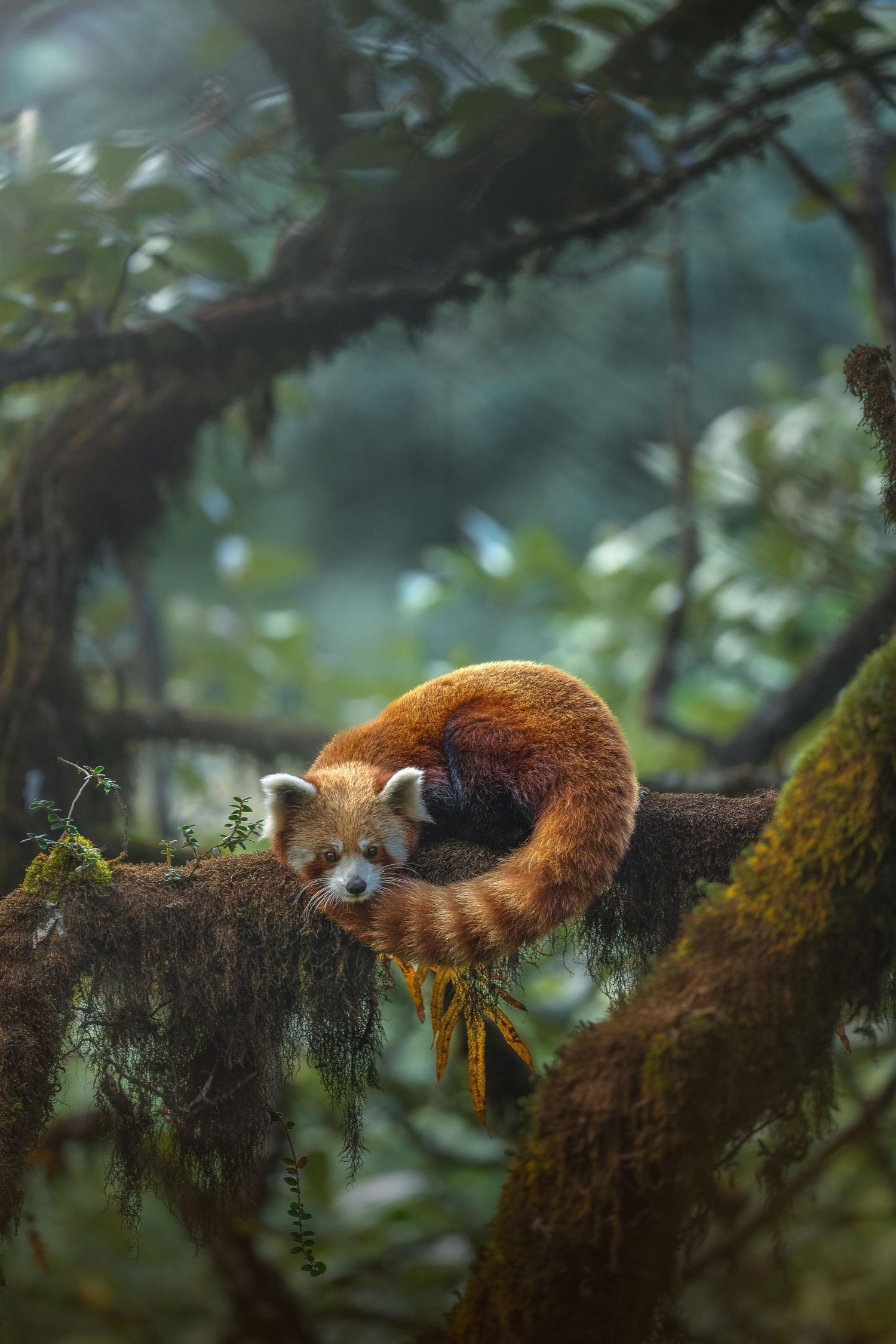
Explore the picturesque grasslands and forests of India’s lesser-known tiger reserves before journeying into the eastern Himalayas in search of elusive red pandas. This small-group expedition combines flexible safari experiences across multiple tiger reserves with misty mountain forests, tea estates, colorful birdlife, and some of Asia’s most unique ecosystems. Designed for travelers who value rare wildlife and immersive landscapes, this journey is all about full immersion in India's and Nepal's most wild and remote regions.
$7,495
per person
Limited to 5 guests
Why join this expedition?
- A thoughtfully paced expedition combining tiger safaris in India’s wild Terai grasslands with red panda tracking in the misty forests of the eastern Himalayas, creating two distinct wildlife experiences in one journey.
- Flexible tiger safari planning across Dudhwa, Kishanpur, and Pilibhit, allowing us to choose the best reserve day-by-day based on recent sightings, tracker reports, and current wildlife activity rather than locking every safari far in advance.
- Search for elusive red pandas alongside a dedicated team of five local trackers each day to maximize opportunities for sightings throughout the Himalayan portion of the trip.
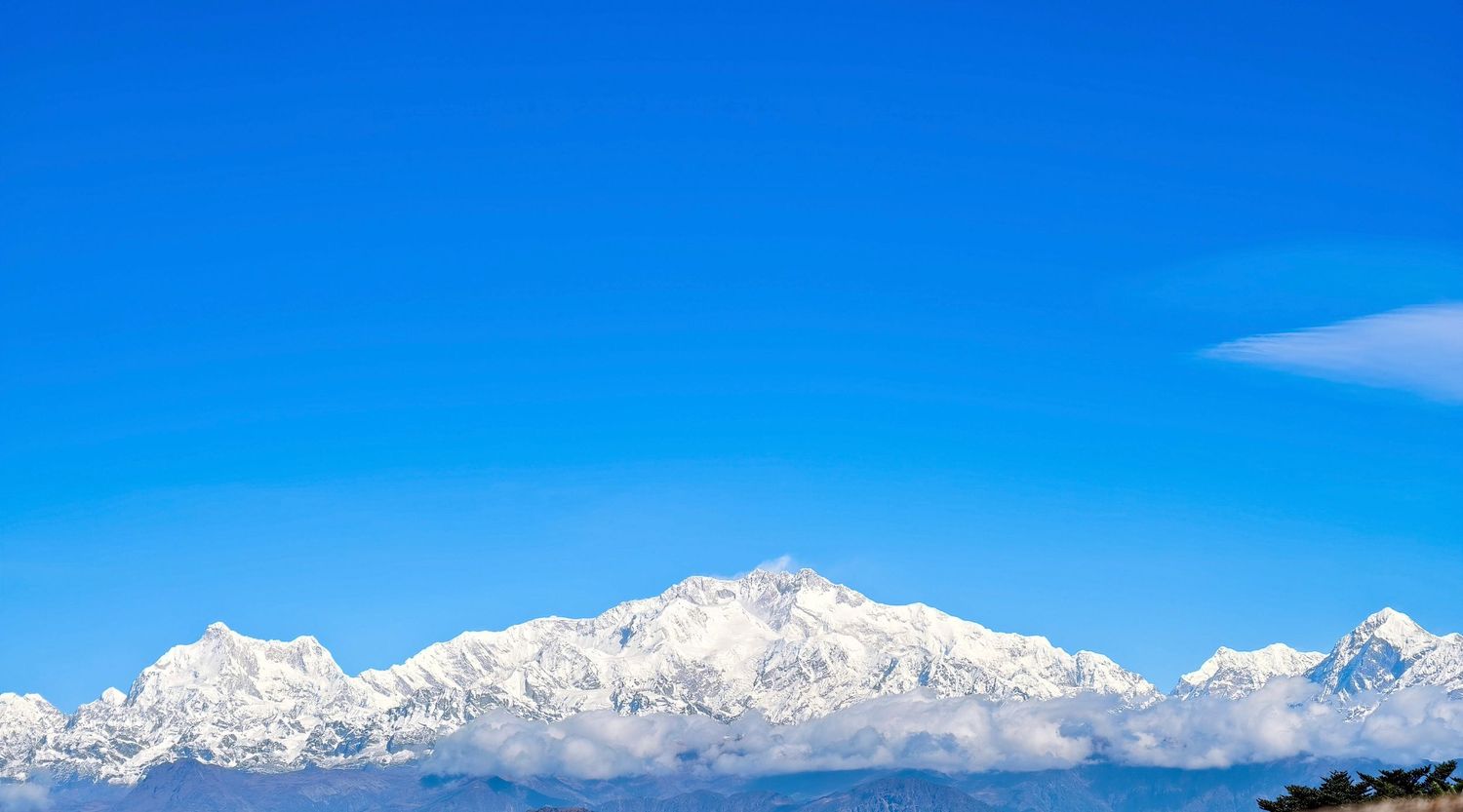
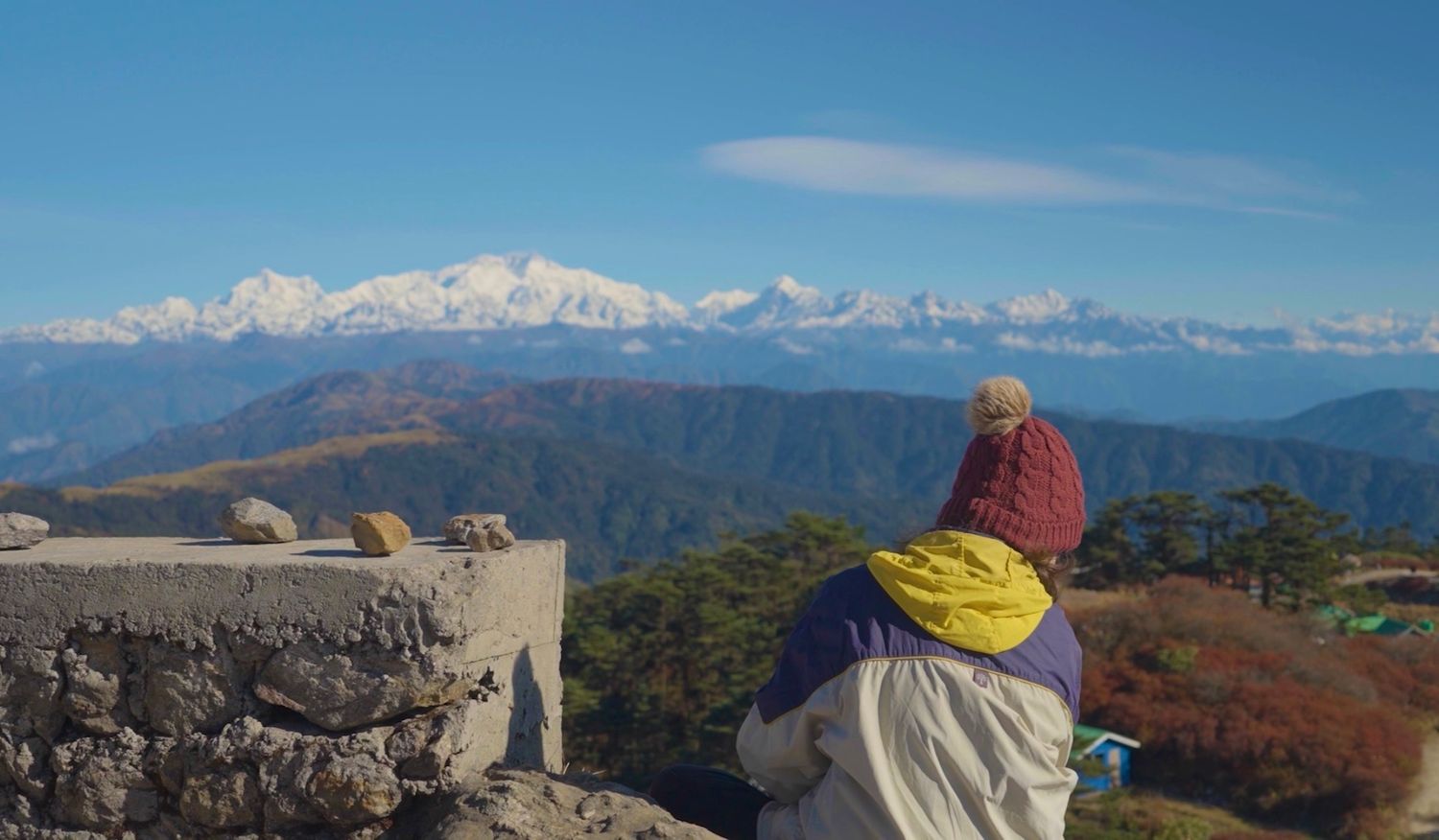
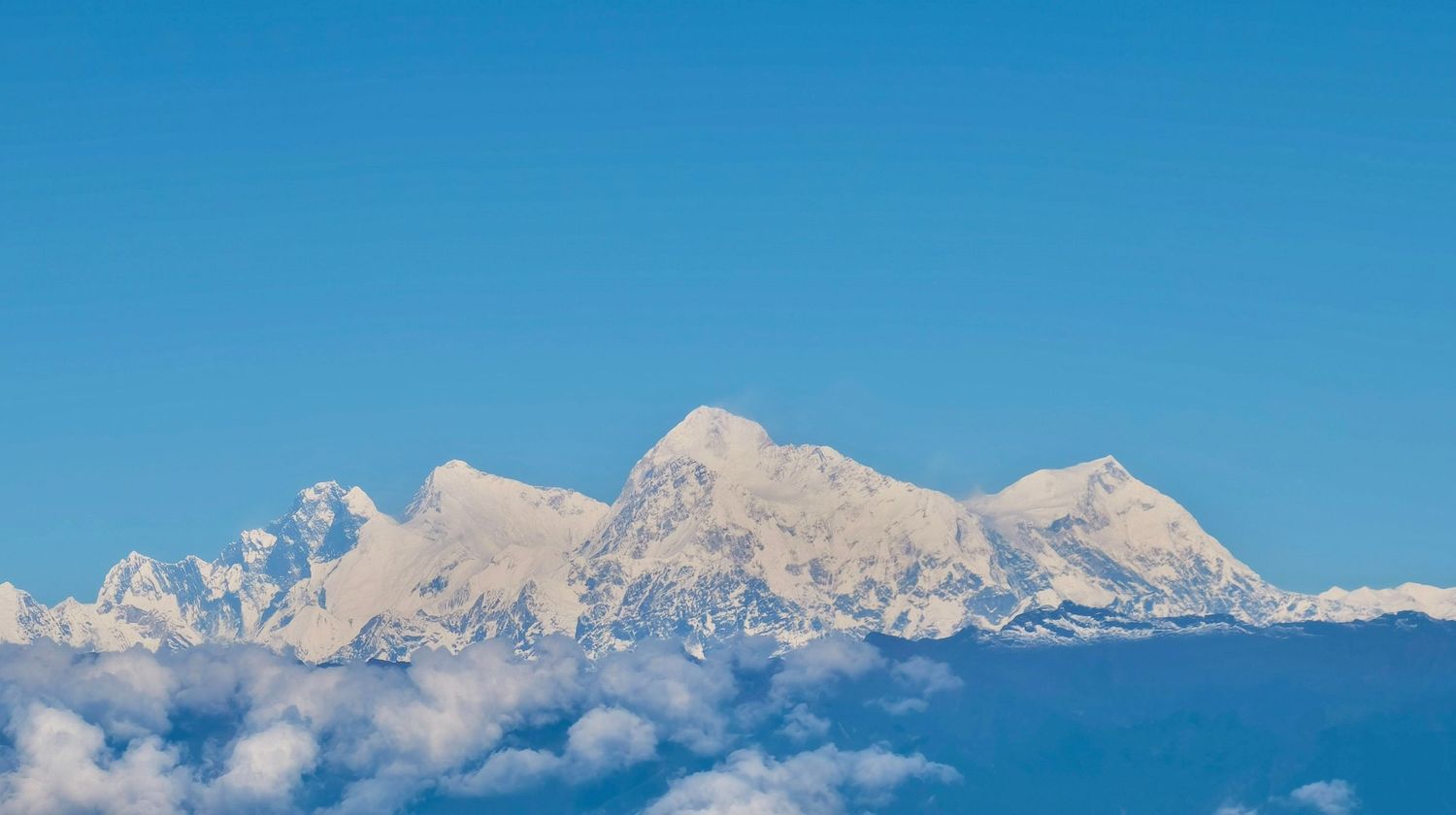
- Aside from the impressive wildlife on this tour, the landscapes itself are otherworldly. During the red panda experience, four of the five highest peaks in the world can be seen: Mount Everest, Kangchenjunga, Lhotse, and Makalu.
- November is an ideal time, offering cooler temperatures, beautiful lush, post-monsoon landscapes, active wildlife movement across India's tiger reserves, and crisp Himalayan conditions with clear mountain views and excellent opportunities for reaching red pandas.
- Led in partnership with experienced local naturalists, trackers, and drivers who understand the region's landscapes, wildlife behavior, and changing conditions throughout the expedition.
- An experience designed around respect for wildlife, time in the field, and the freedom to slow down and observe rather than follow a checklist of sightings.
- Opportunities for photography guidance throughout the expedition, with an emphasis on observation, composition, and storytelling.
- Optional afternoon/evening photo reviews and editing sessions.
- Comfortable accommodations, curated logistics, and transportation throughout the journey designed to create a seamless travel experience.
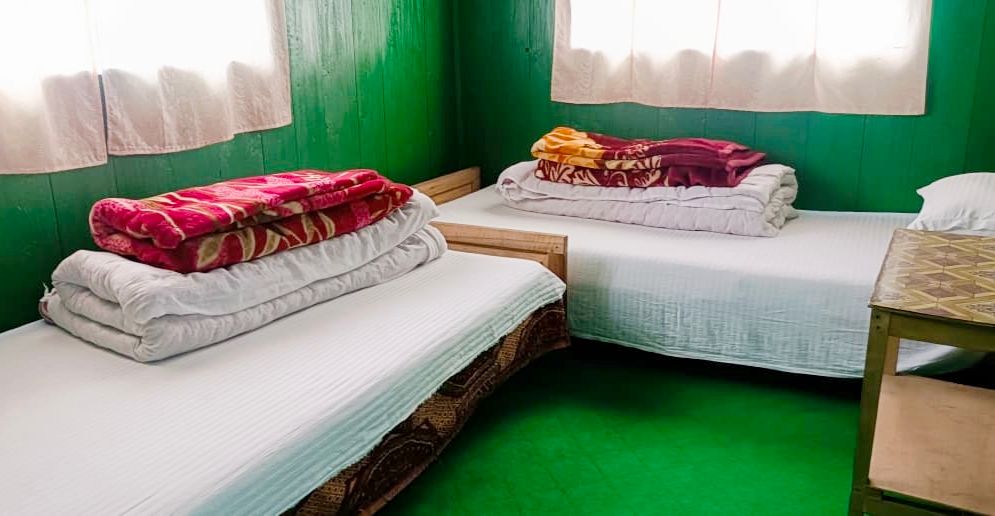
- Complementary single occupancy rooms included during the red panda homestay portion.
Chapter 1:
The Tiger Experience
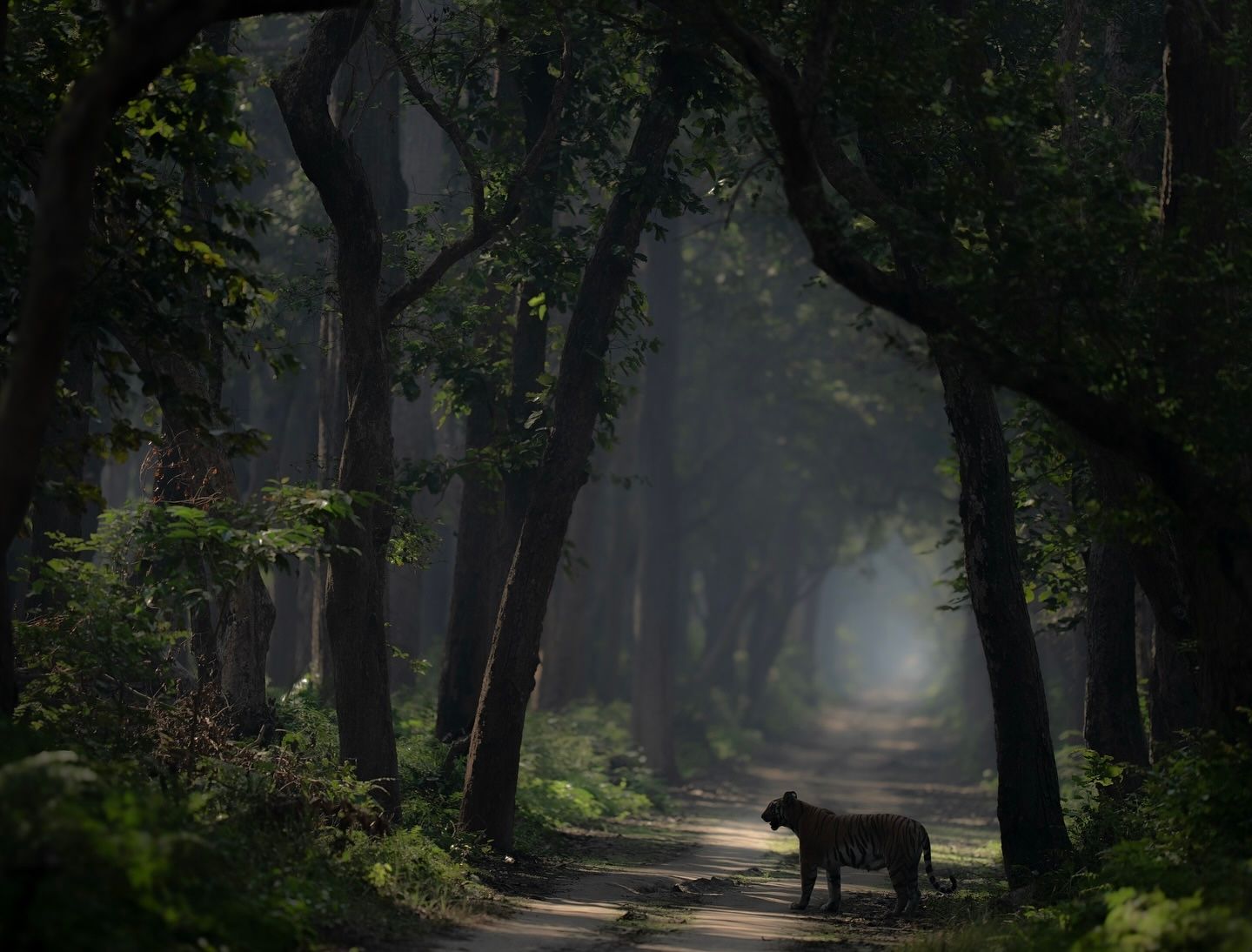
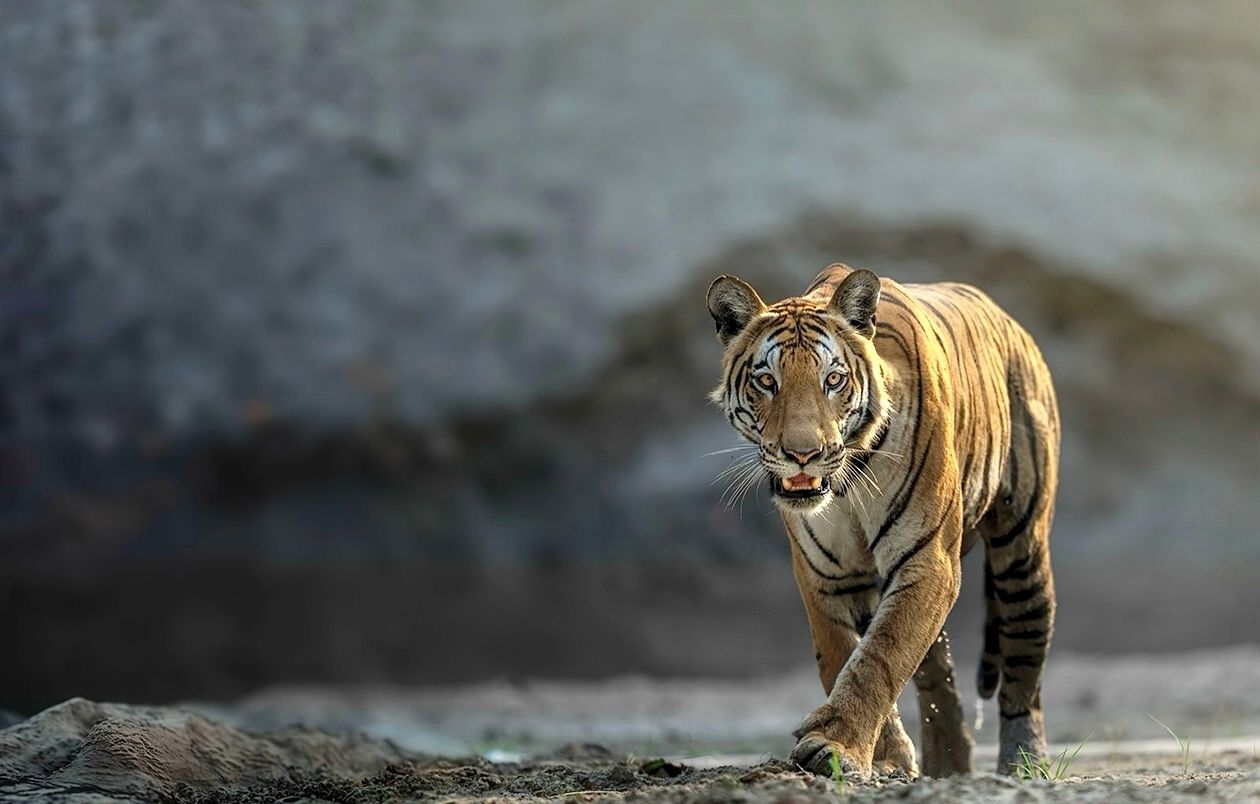
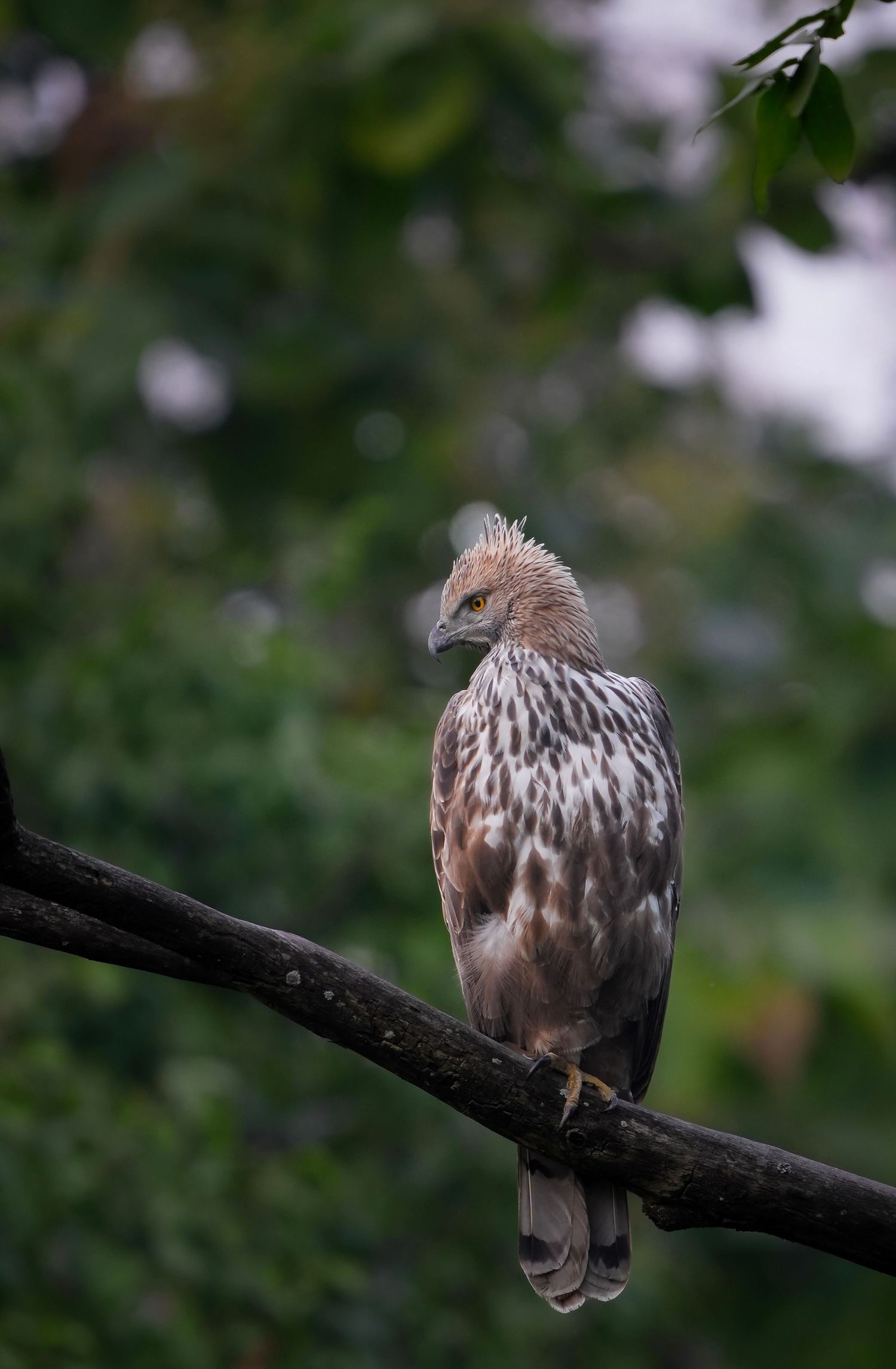
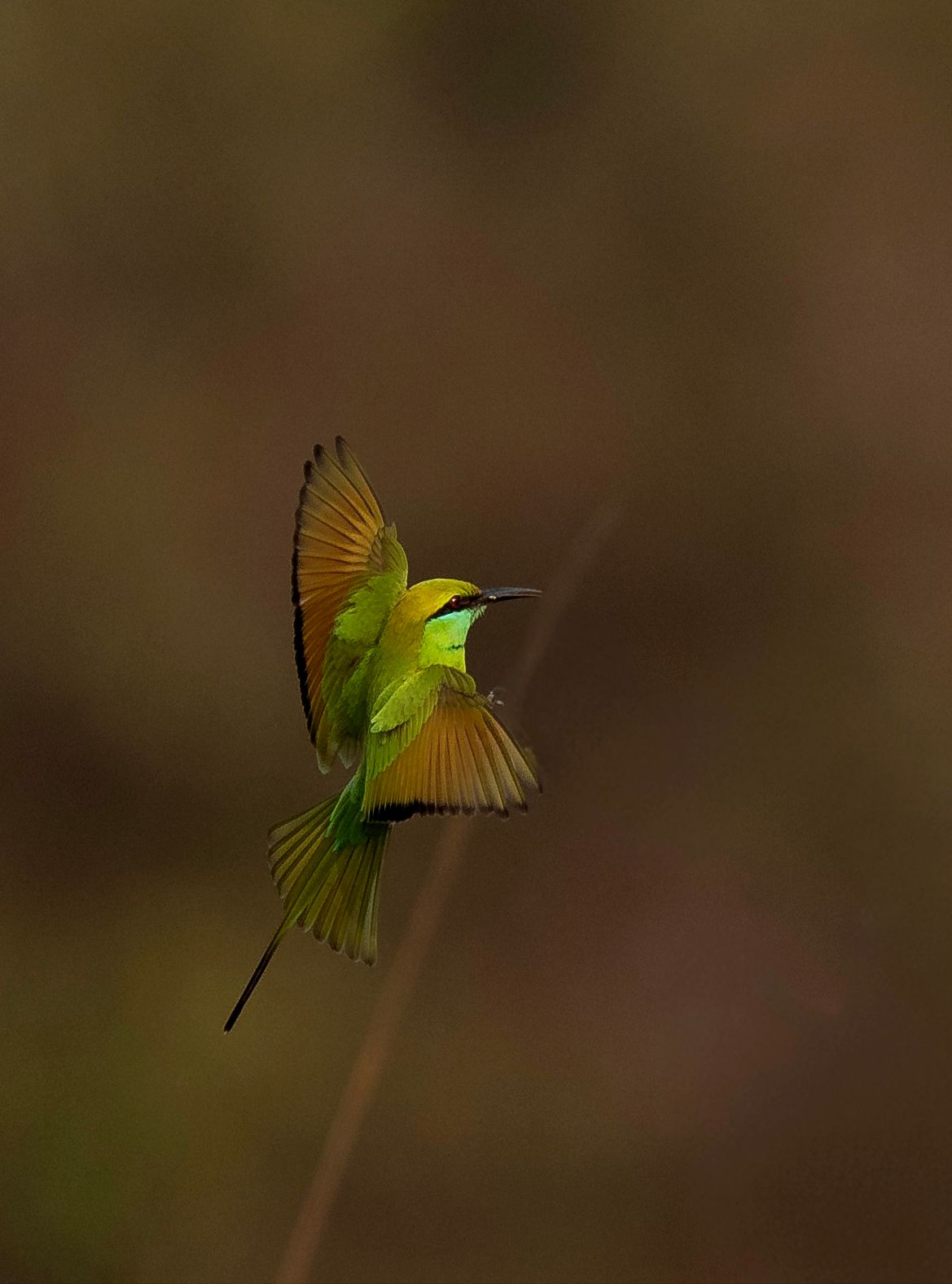
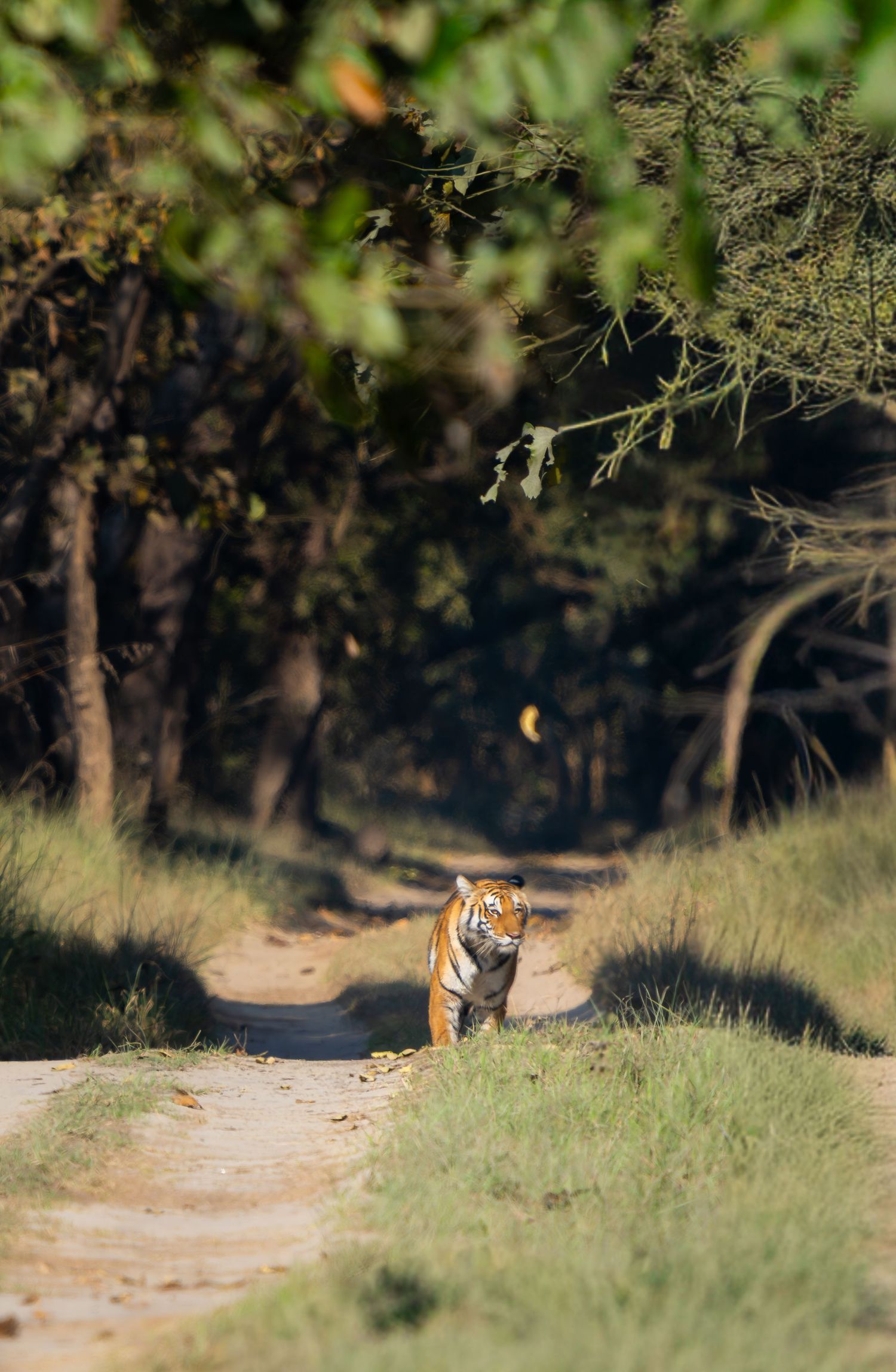
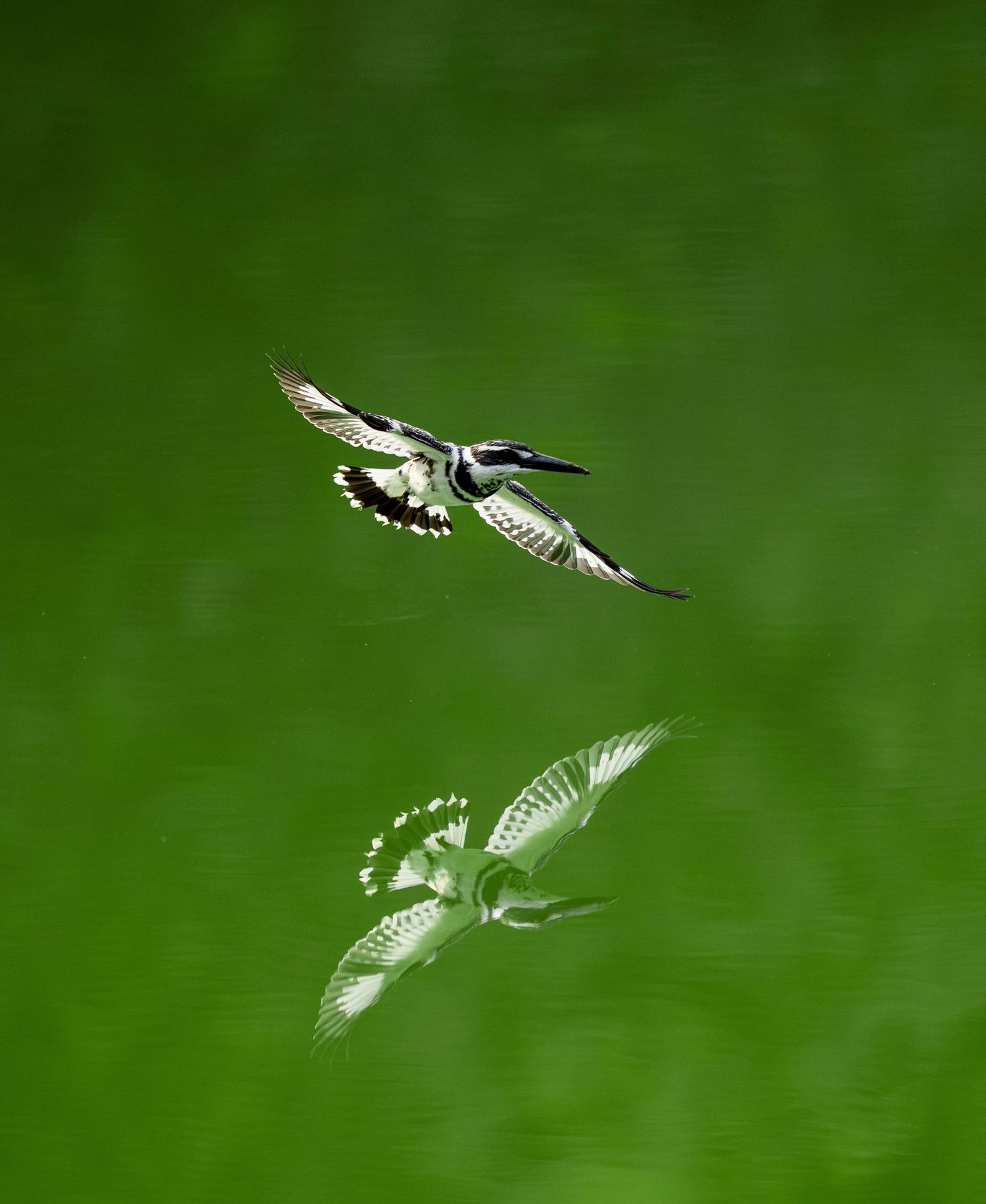
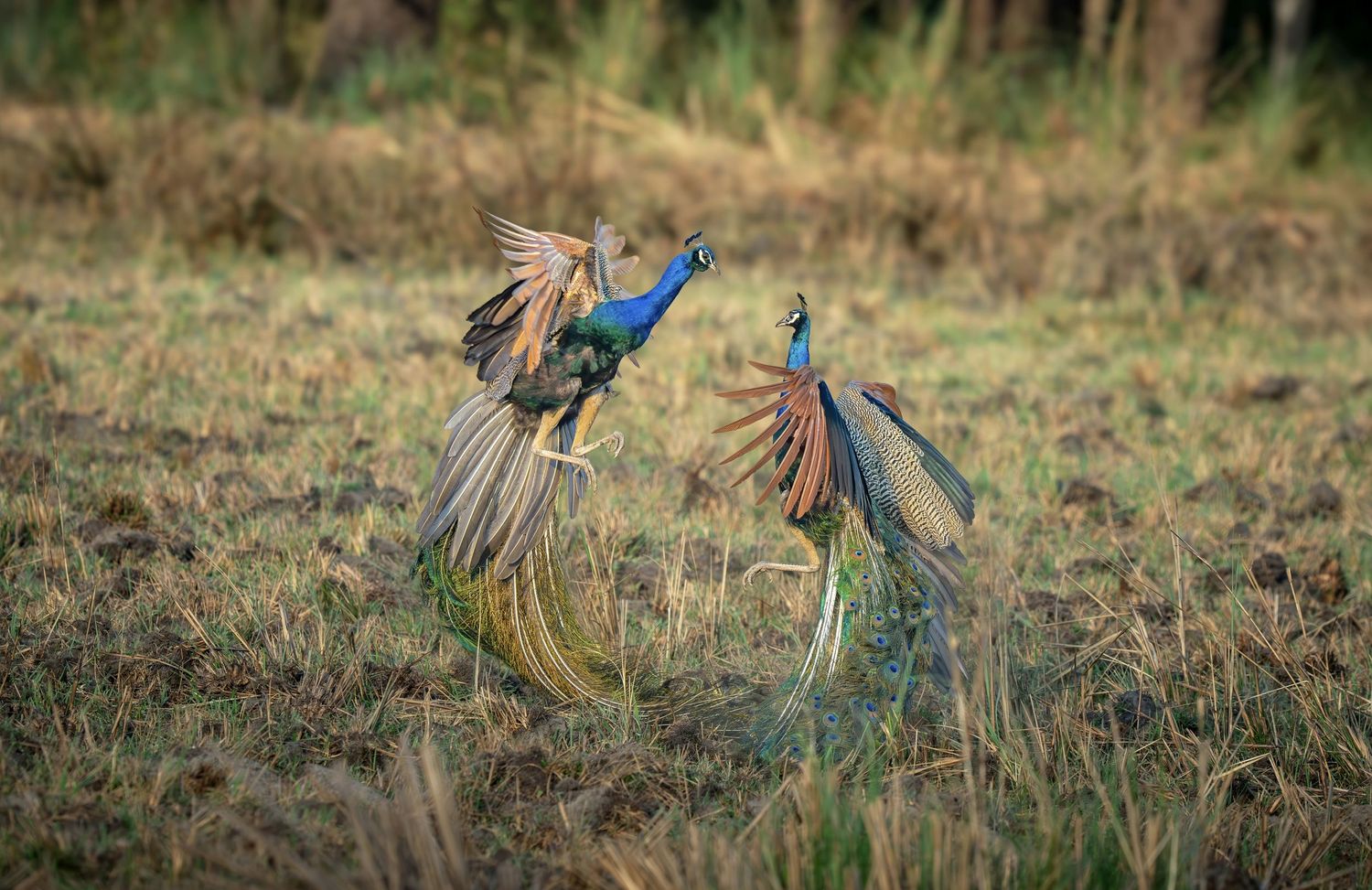
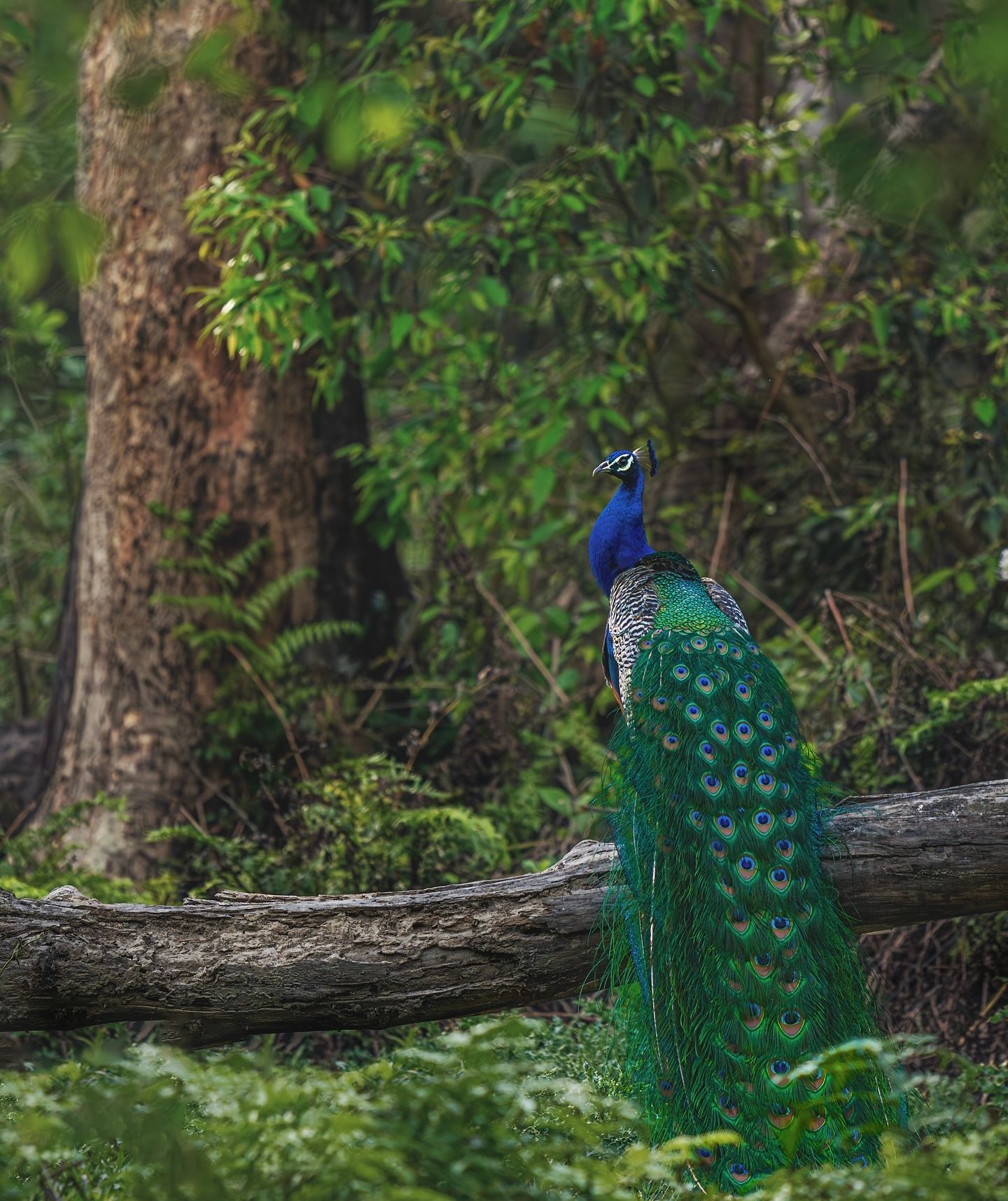
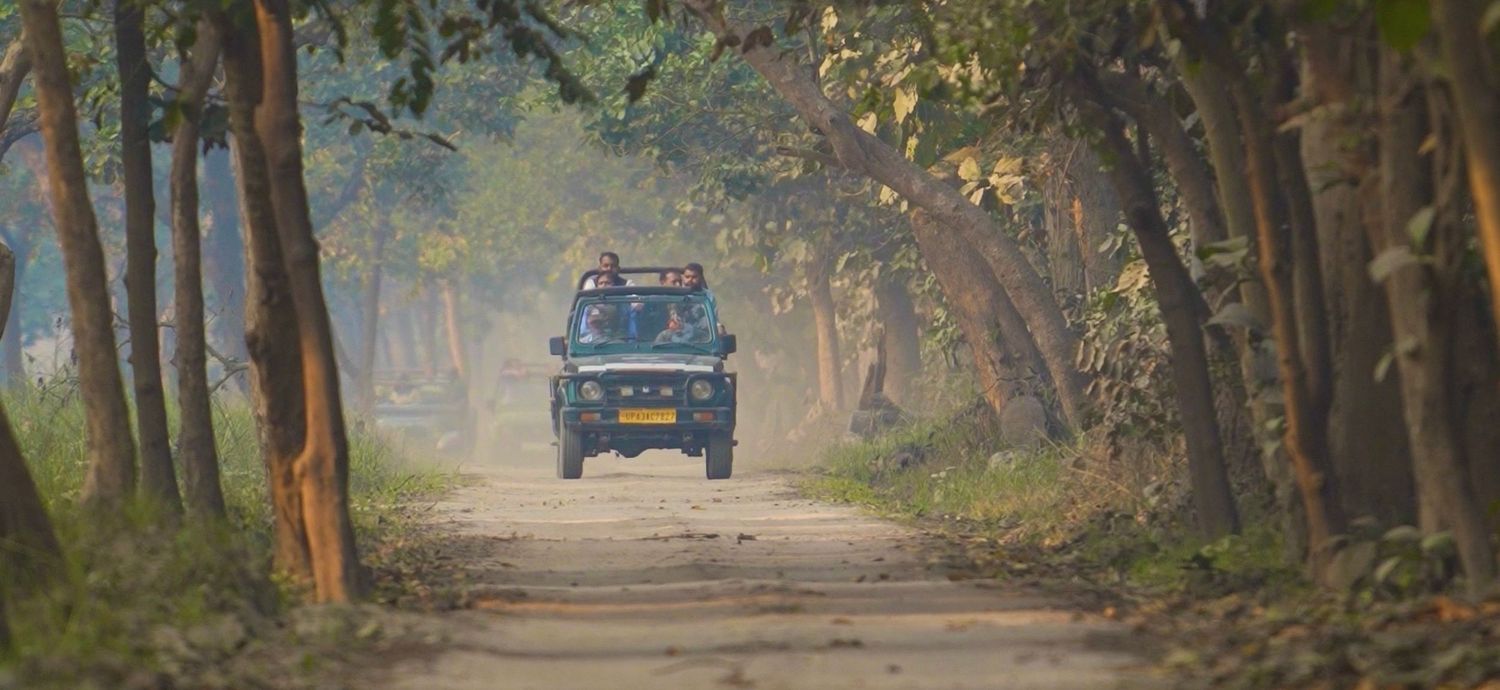
Each morning and afternoon, we embark on safari game drives in search of tigers and other remarkable wildlife. Patience is a central part of the experience as we listen for alarm calls from barking deer or monkeys, search for fresh tracks in the road, and scan nearby trees for claw marks and other signs of recent activity. The anticipation of the jungle is constant. Along the way, we pause to photograph and observe the incredible wildlife that inhabits these forests, including Asian elephants, swamp deer, rich birdlife, and countless smaller moments that make each safari feel immersive and unpredictable.
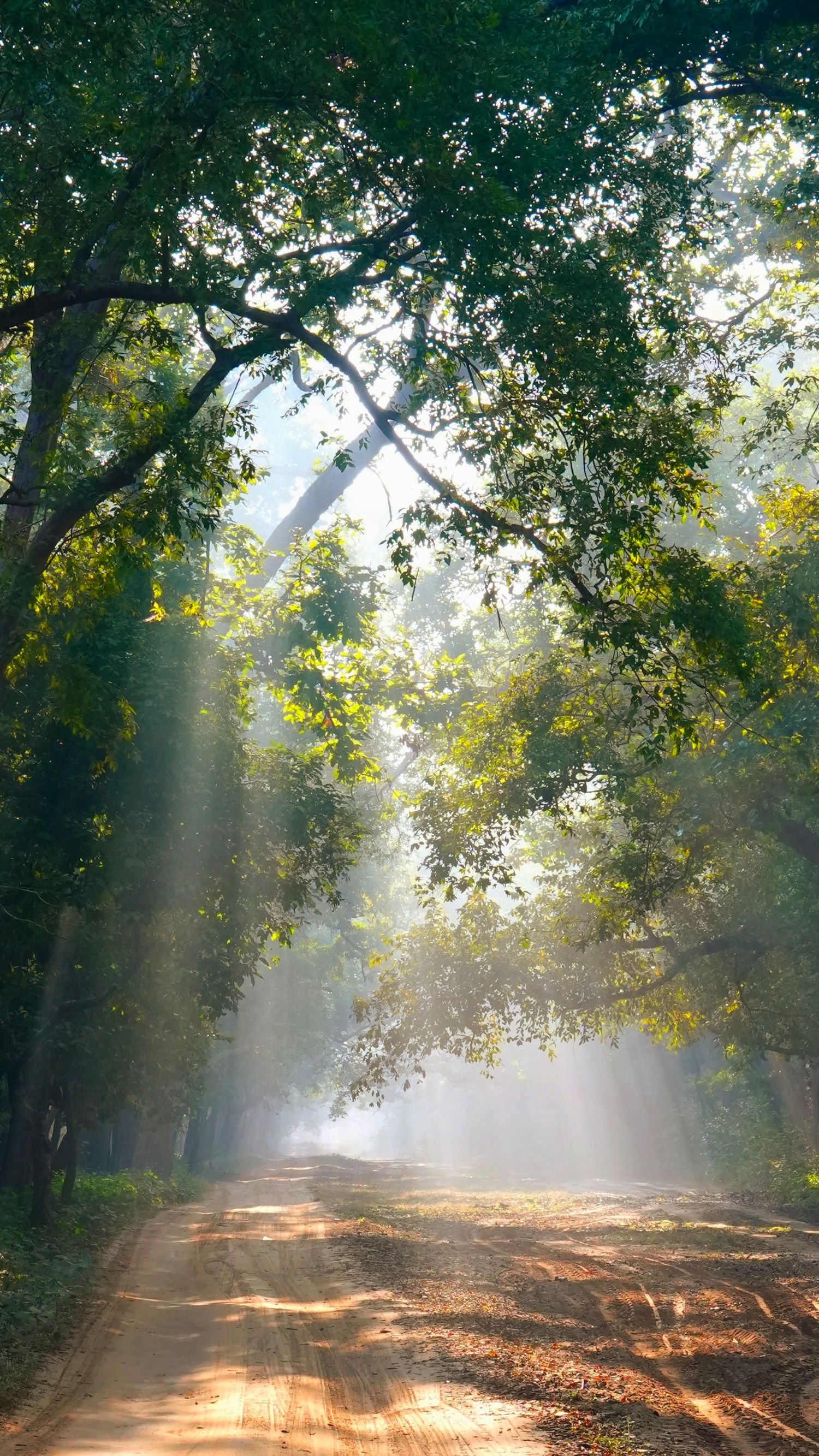
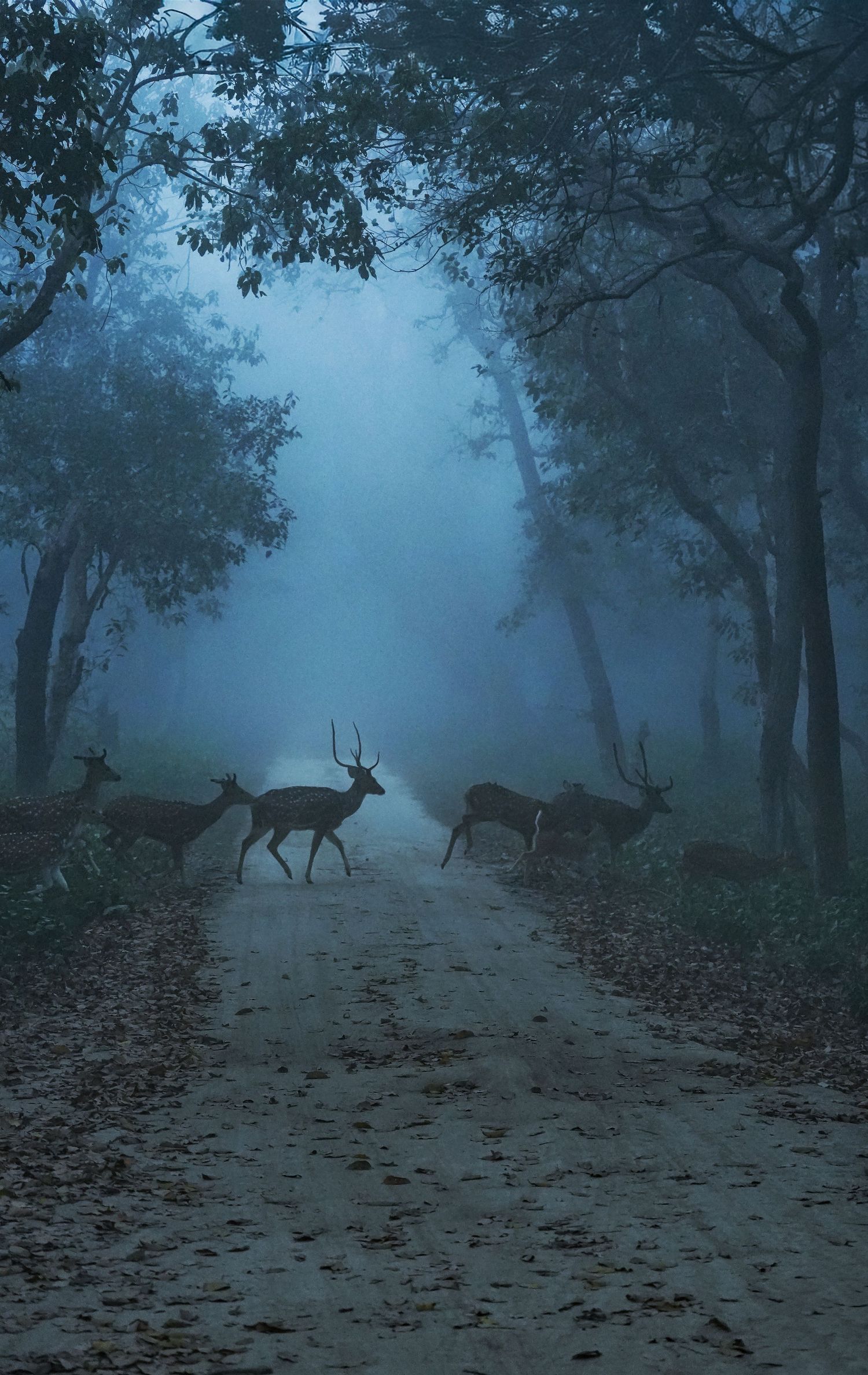
No two days in the field are the same. Changing light, shifting weather, recent sightings, and local tracker information help shape our daily safari plans as we move between the diverse landscapes of Dudhwa, Kishanpur, and Pilibhit. Mornings often begin beneath cool fog and soft golden light as the forests slowly awaken with birdsong and movement hidden within the elephant grass.
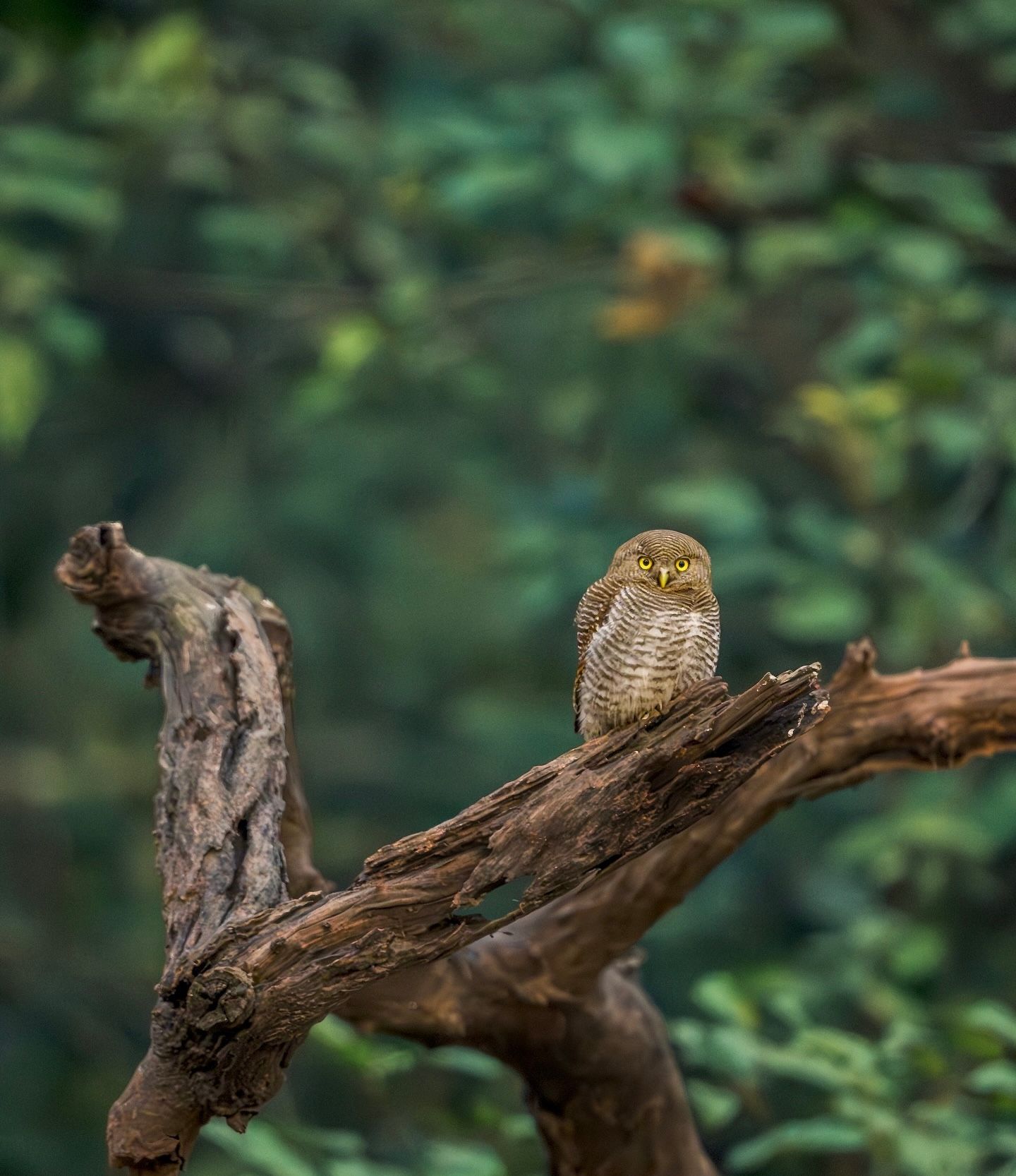
The pace of the expedition allows time to fully absorb the atmosphere of the landscape. Between drives, guests can relax at the lodge, photograph birds at the bird hide, review images, and settle into the quieter rhythm of the jungle while preparing for the next day’s exploration.
Why Dudhwa, Kishanpur, & Pilibhit?
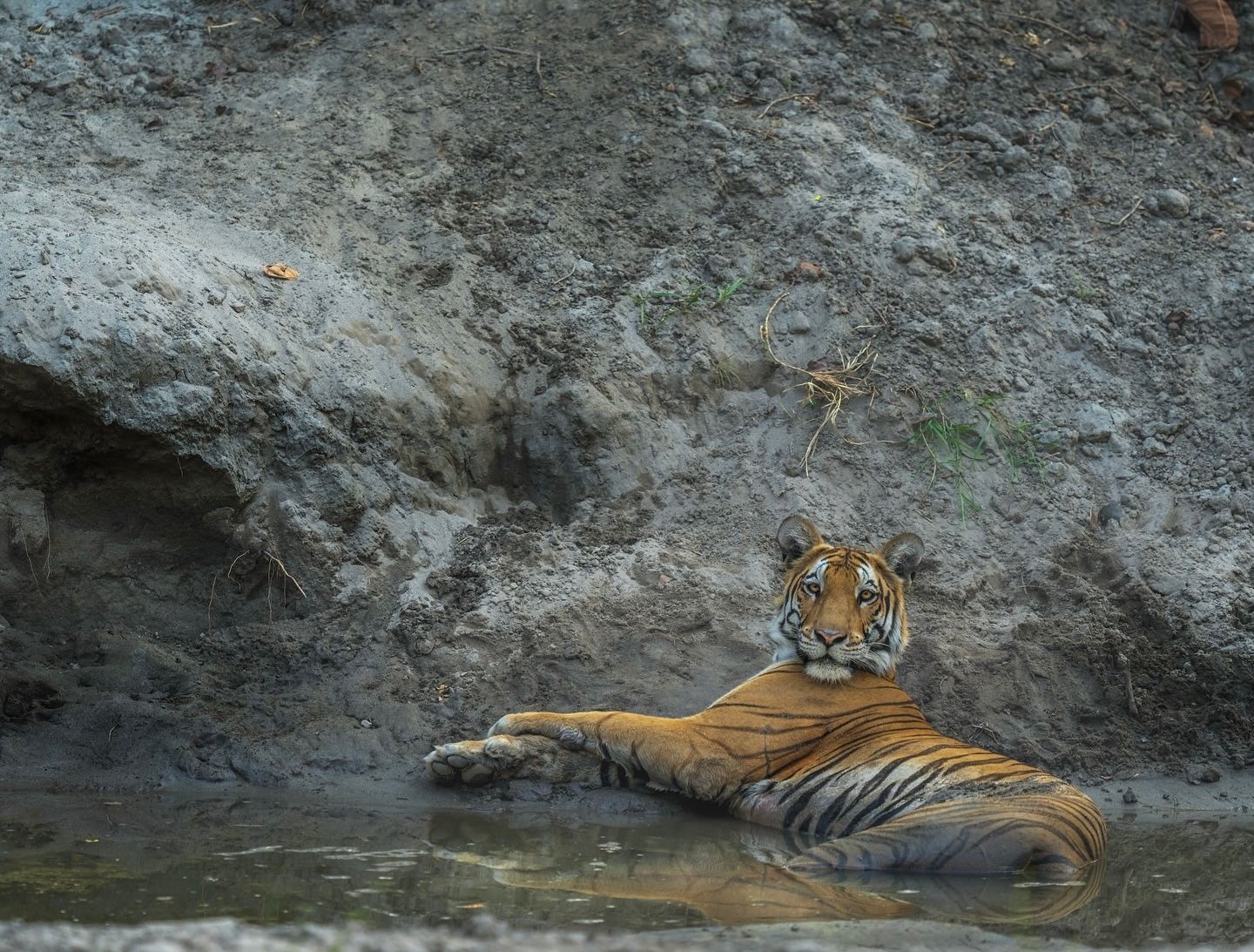
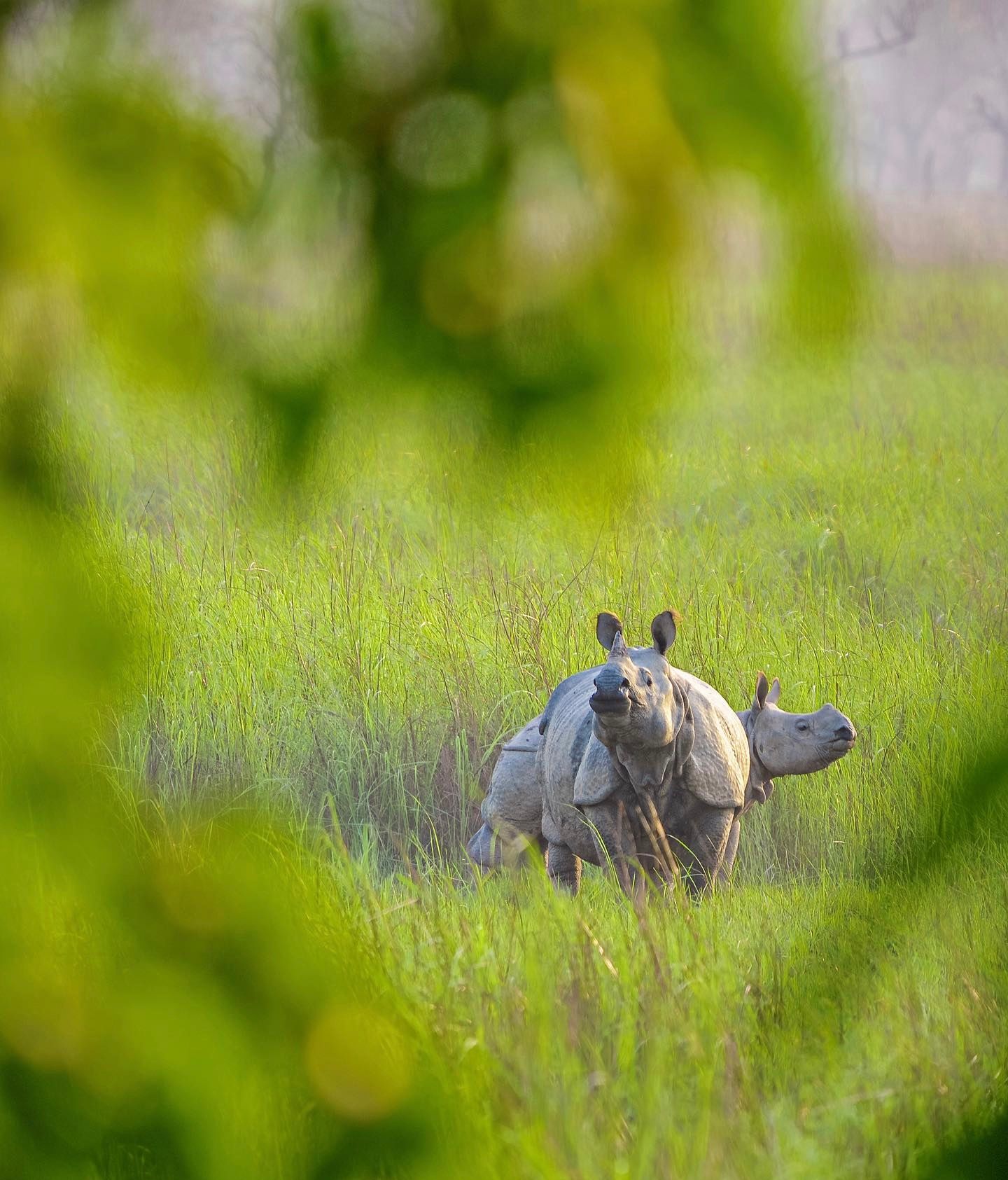
Safari in India’s Terai Arc offers a quieter and more immersive alternative to the country’s busier tiger reserves. Spanning the grasslands, wetlands, and forests of Dudhwa Tiger Reserve, Kishanpur Wildlife Sanctuary, and Pilibhit Tiger Reserve, this region is considered one of India’s most beautiful and atmospheric tiger landscapes. Rather than being locked into a single reserve, this expedition is designed around flexibility, allowing us to adapt our safari plans based on recent sightings, wildlife activity, and tracker information while experiencing a wider variety of habitats across the greater Terai ecosystem.
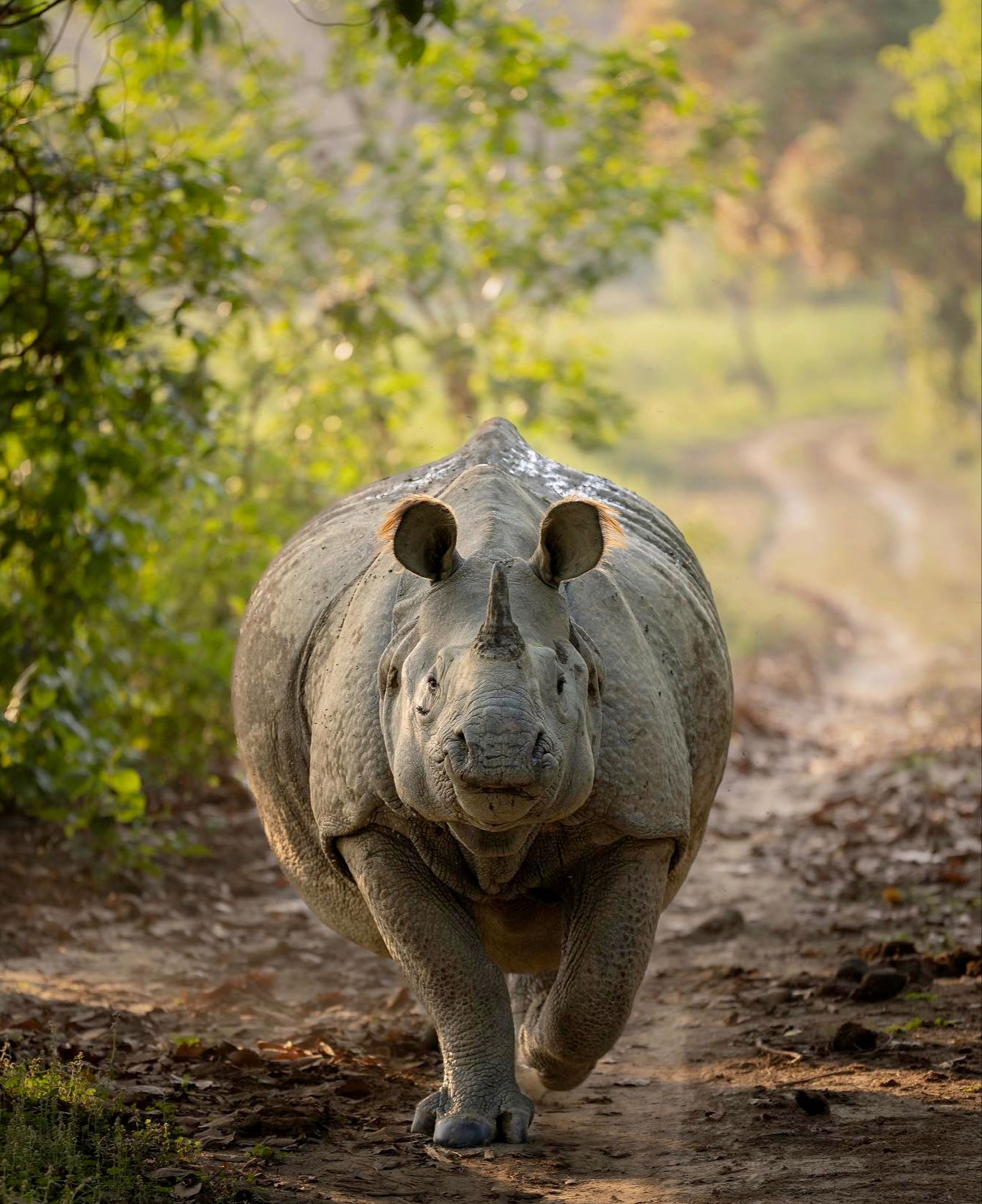
The resplendent region supports populations of Bengal tigers, Asian elephants, rhinoceros, swamp deer, leopards, crocodiles, jackals, and an incredible diversity of birdlife, giving us incredible opportunities for unique photographs of uncommon animals in stunning light and misty forests.
Chapter 2:
The Red Panda Experience
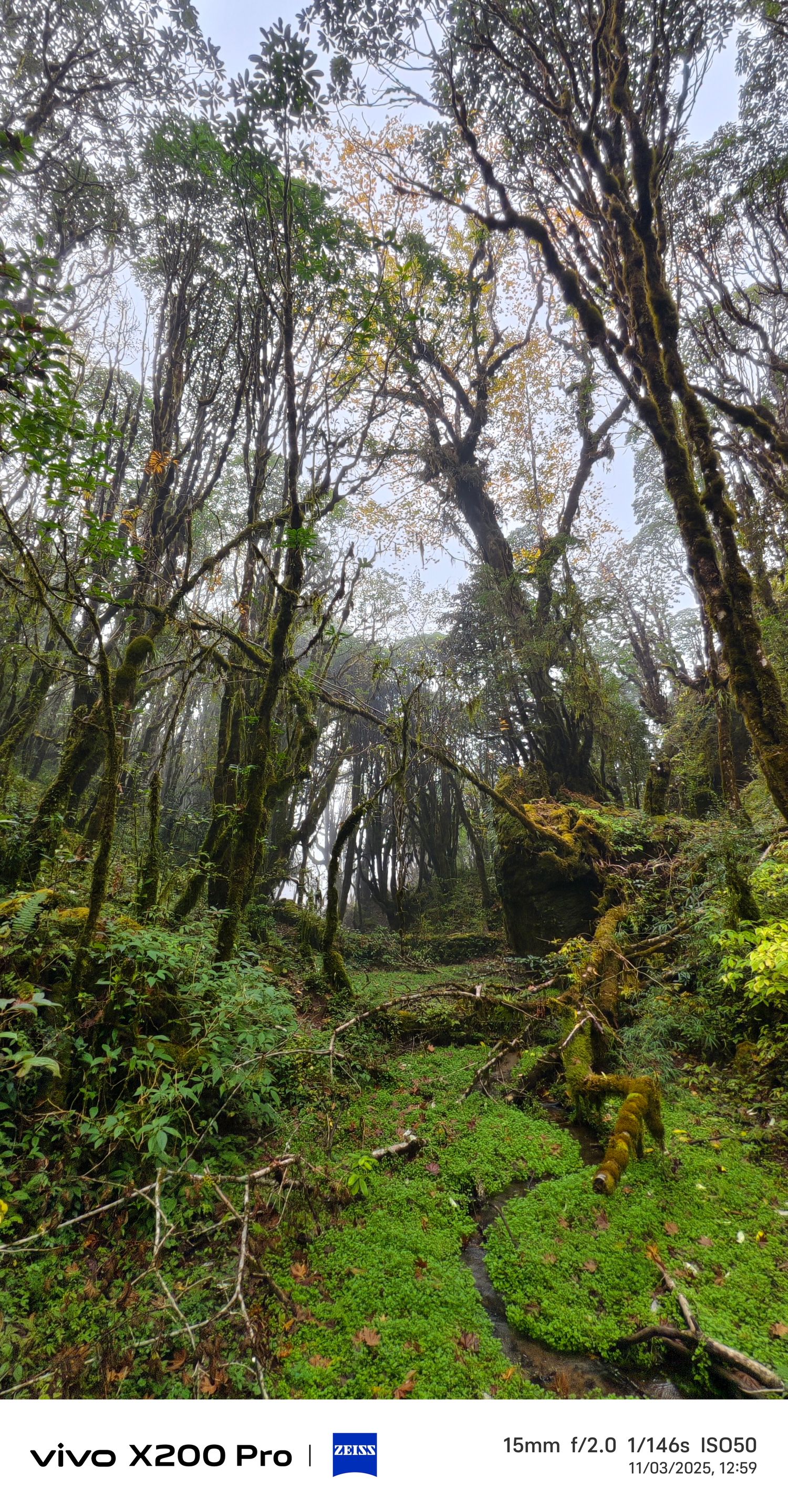
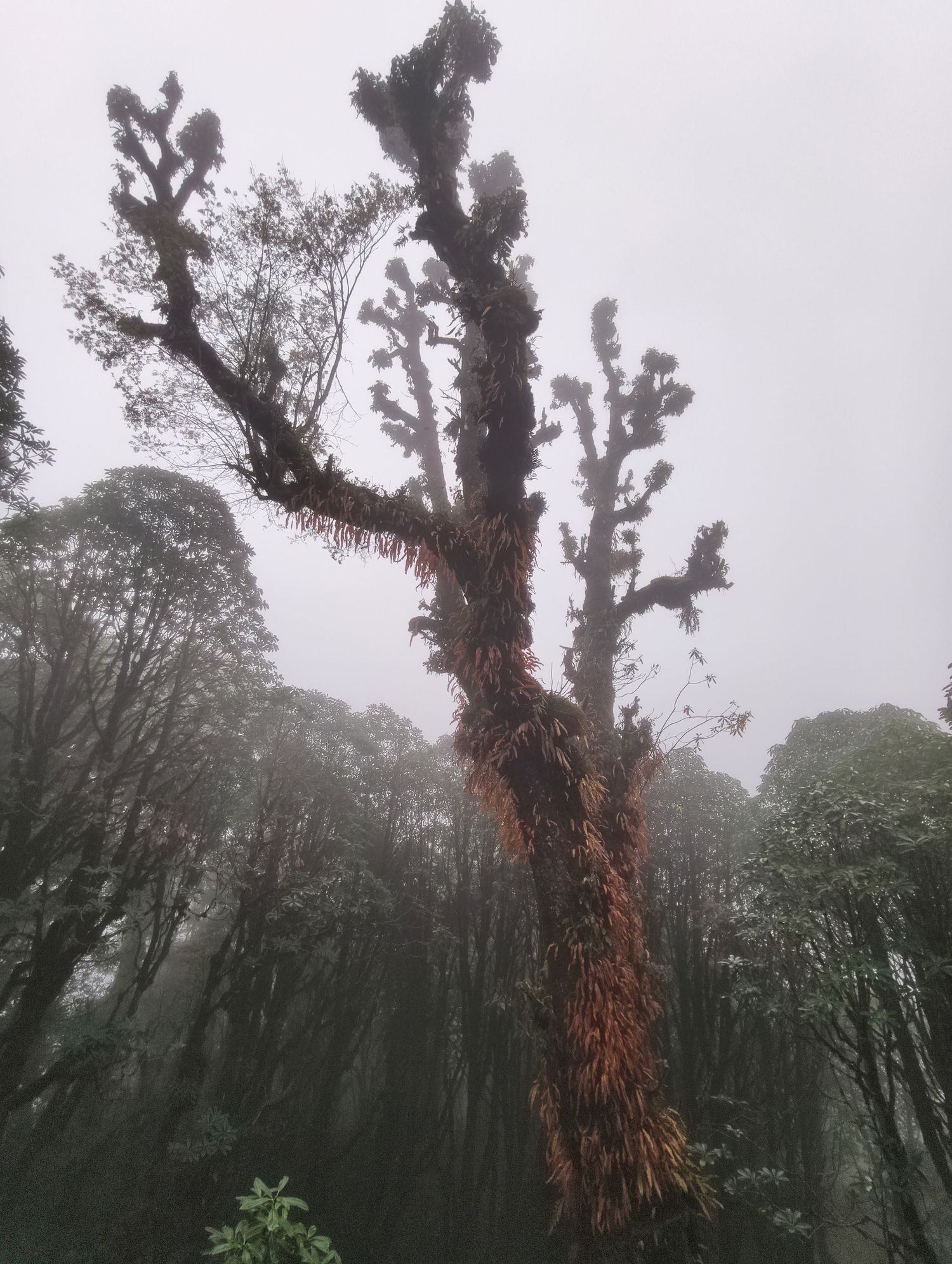
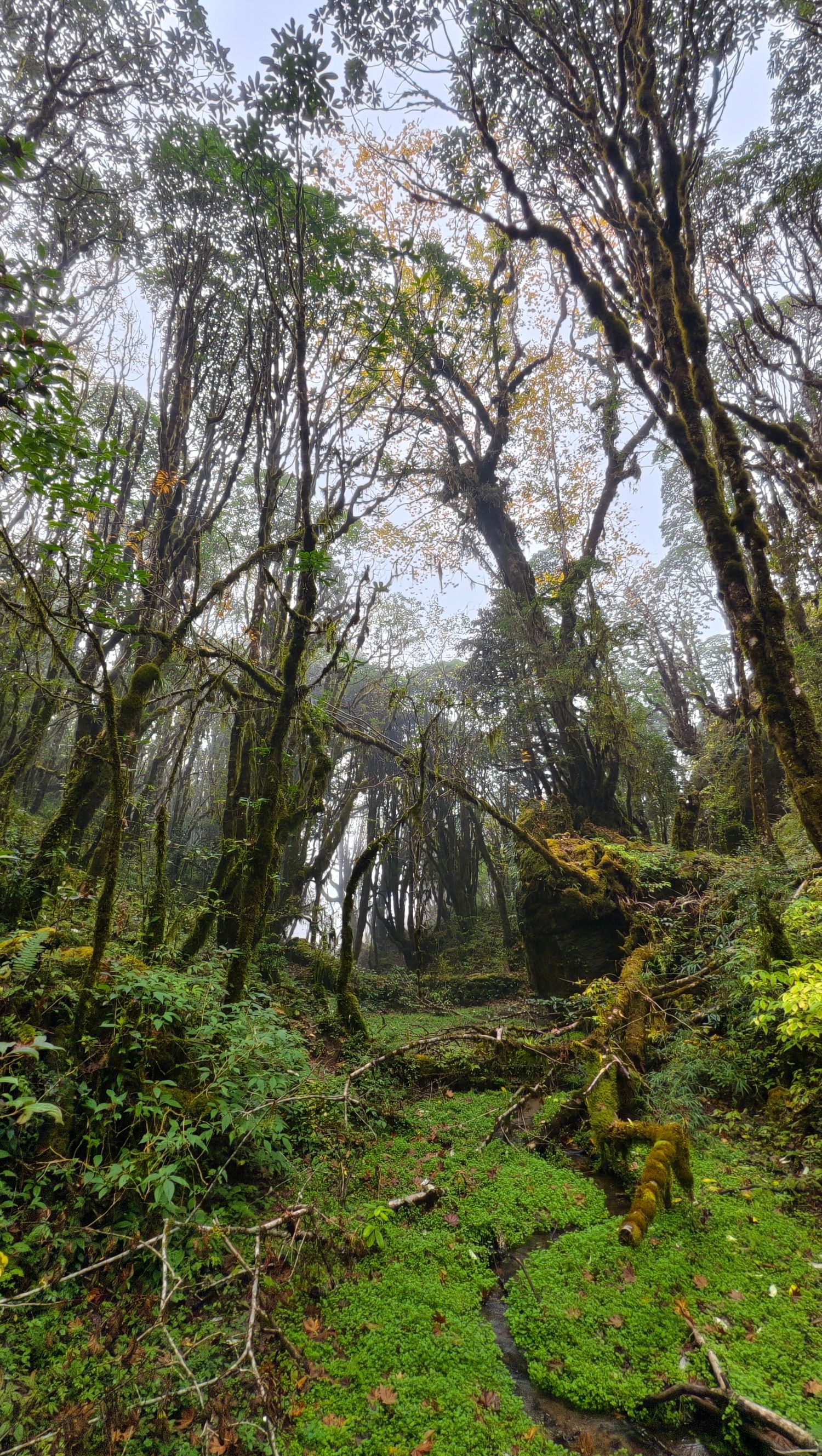
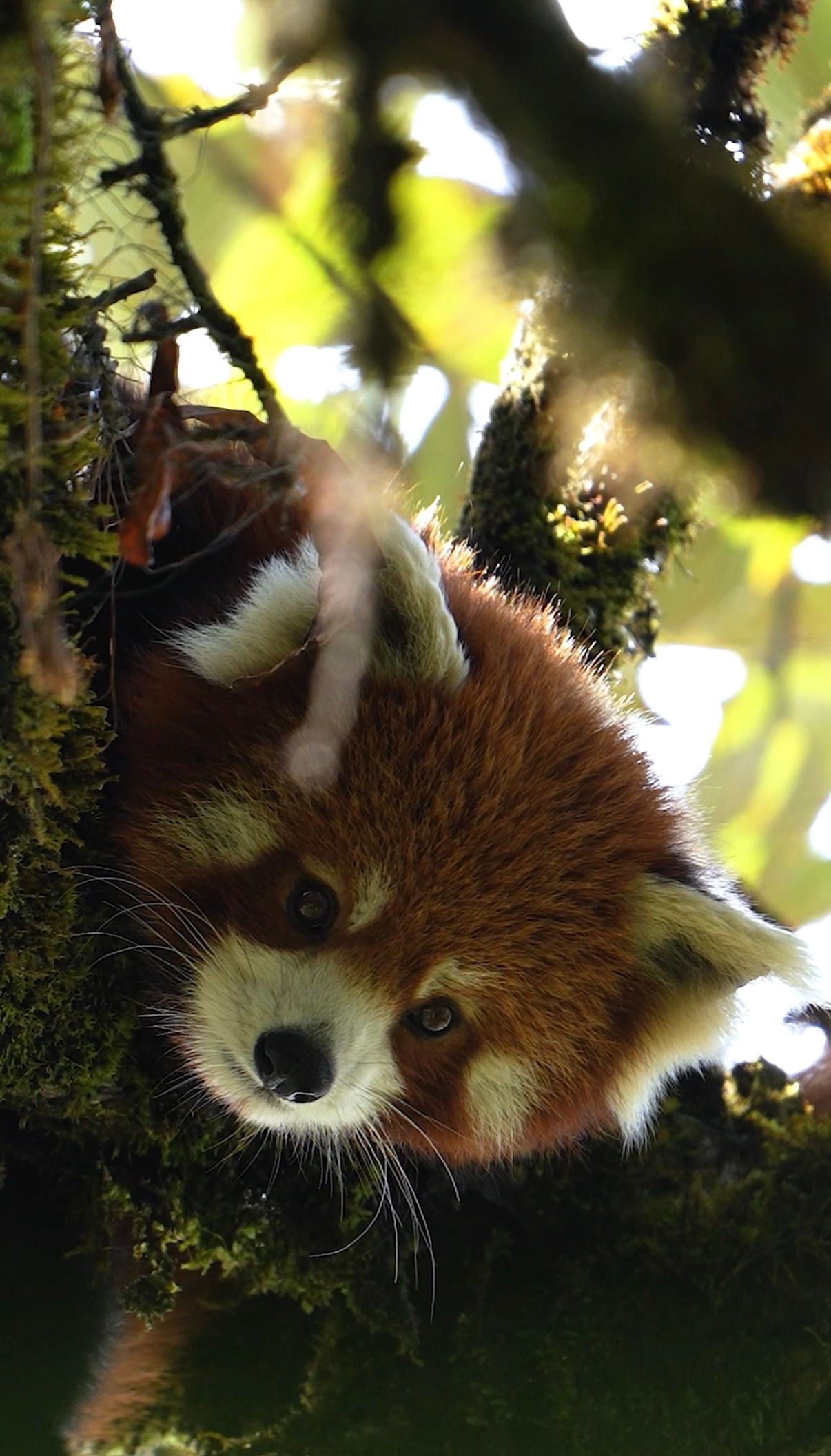
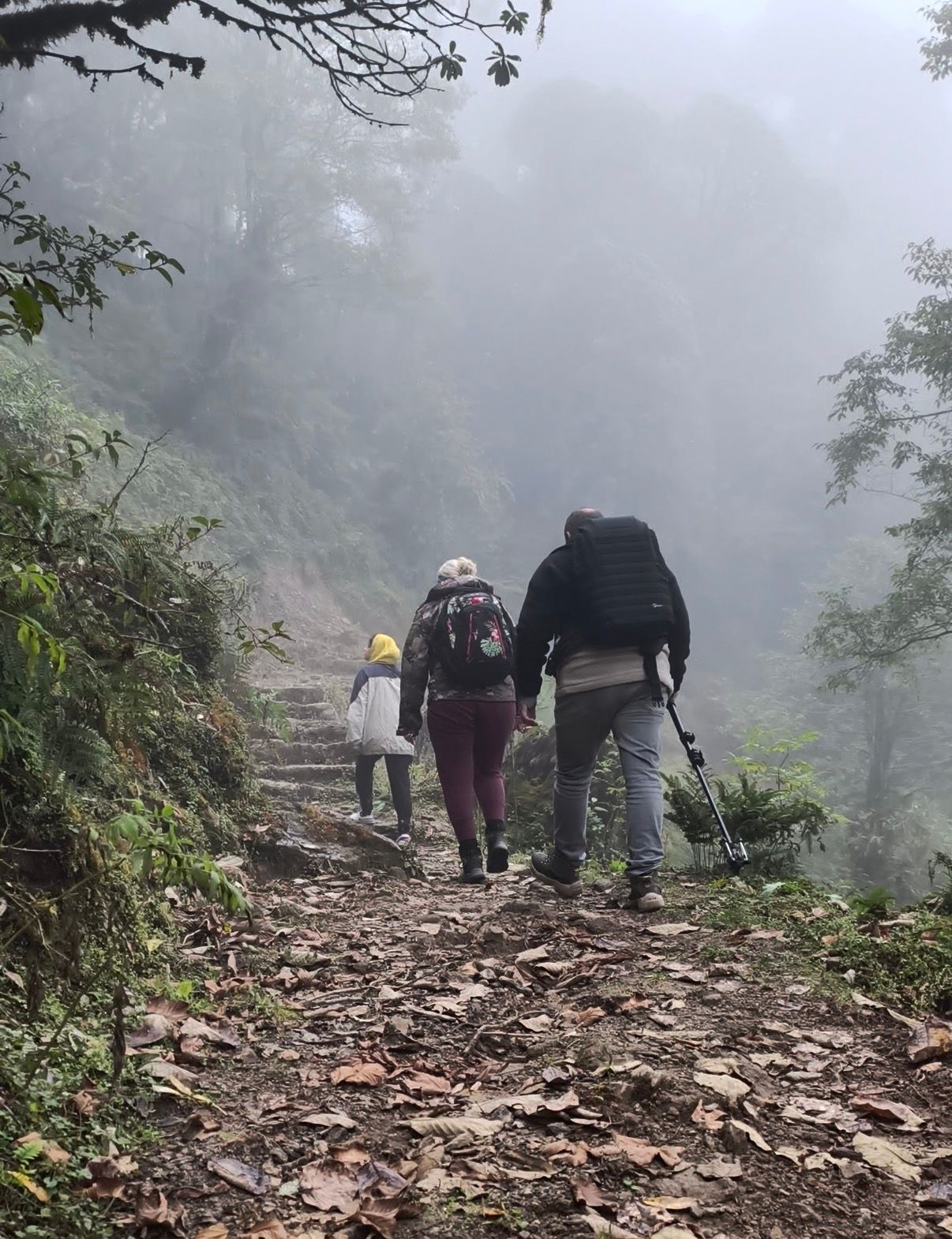
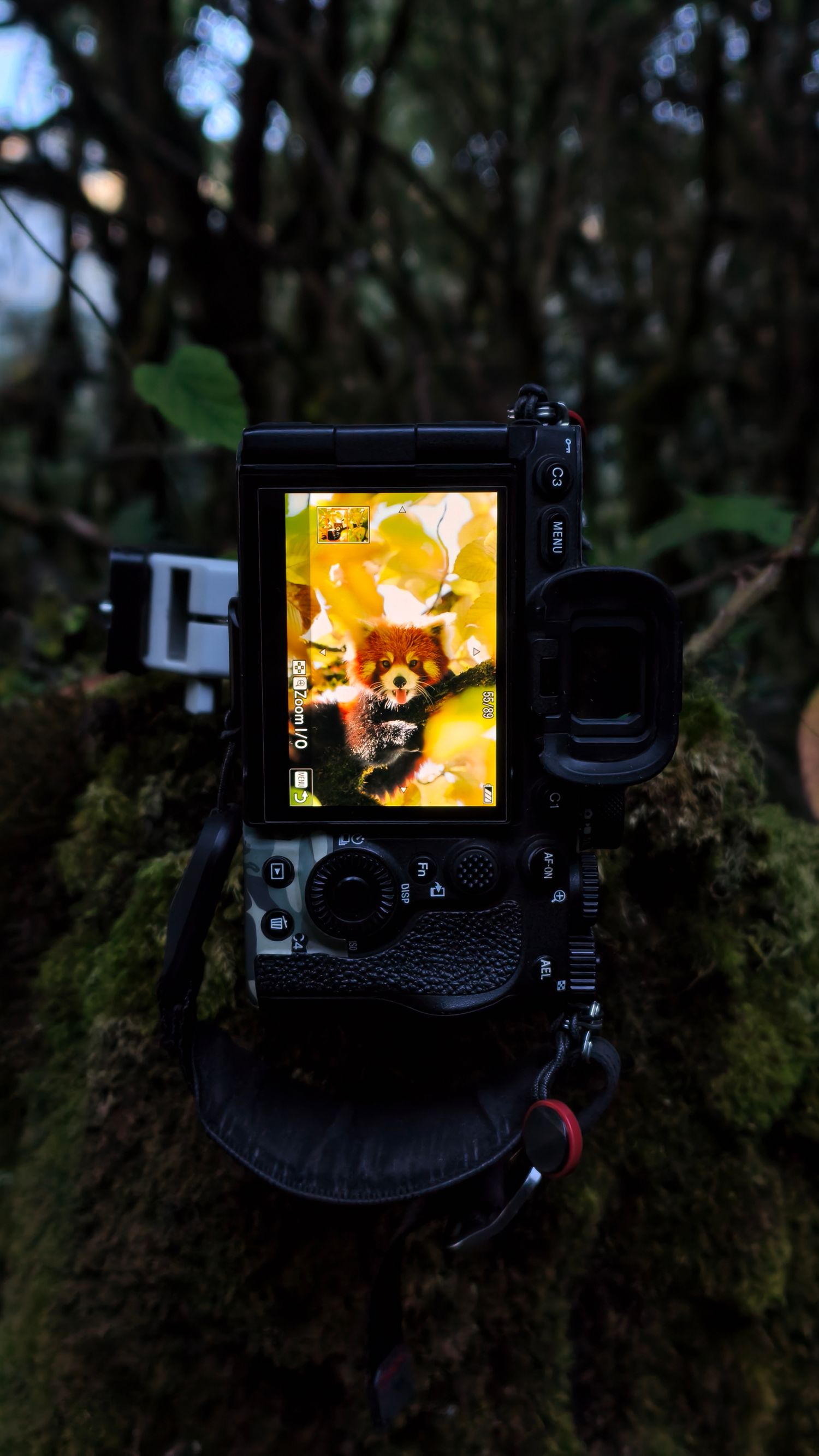
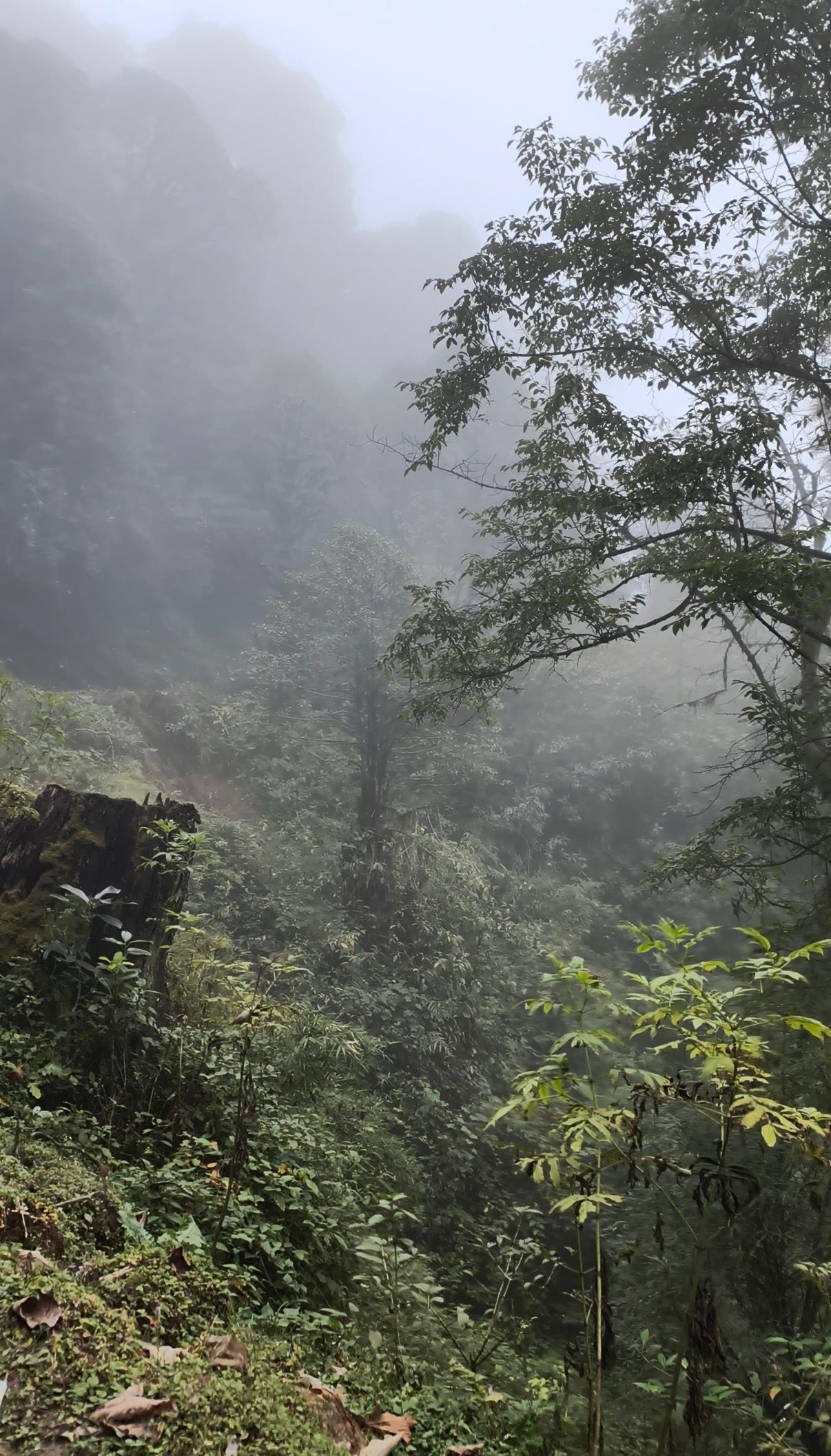
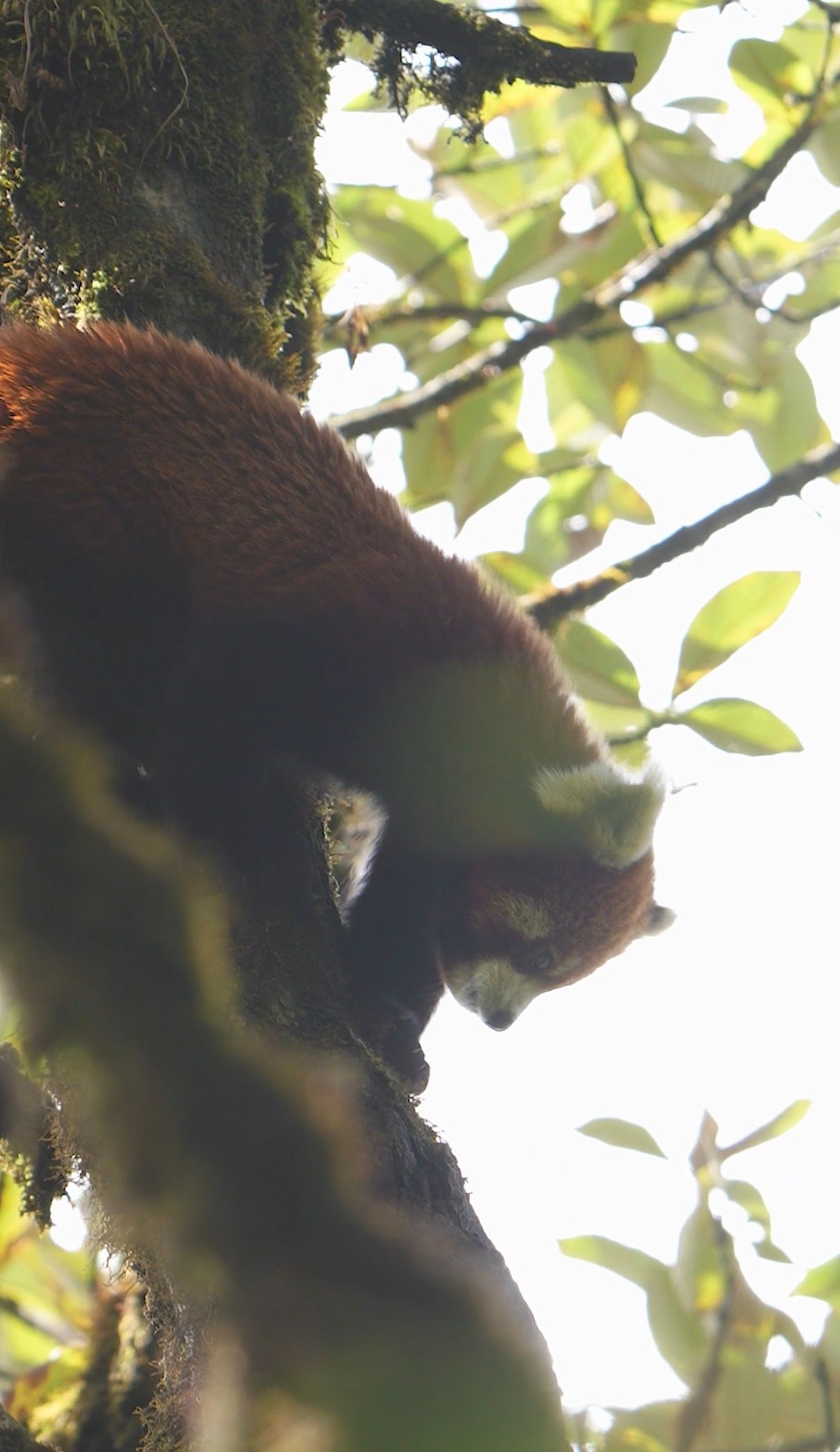
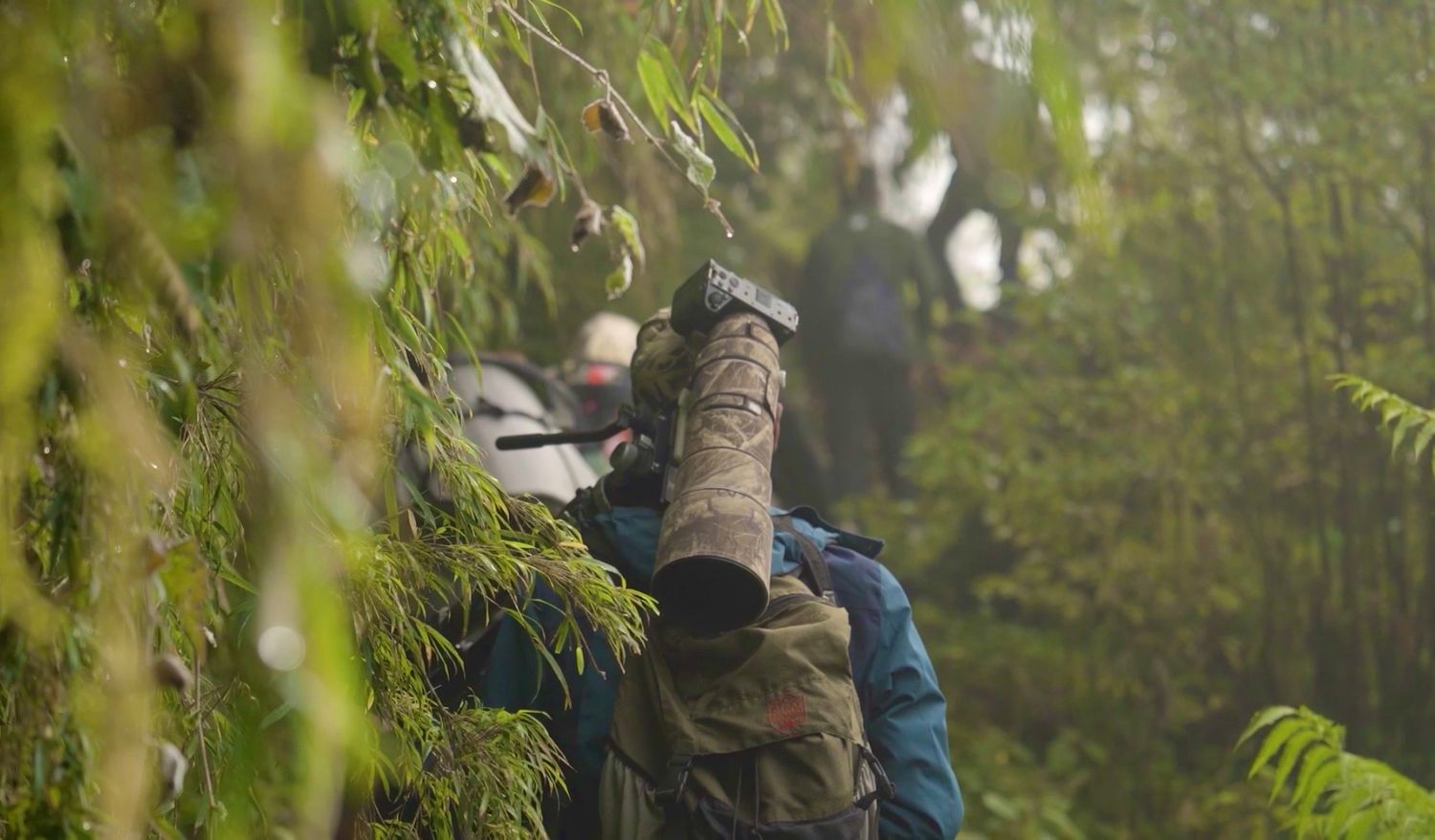
Red panda tracking is very different from a traditional safari. Rather than driving through open habitat, we’ll spend our days on foot in the cool Himalayan forests surrounding Singalila, moving slowly through bamboo, rhododendron, and moss-covered trails alongside local guides and experienced trackers. Before sunrise every morning, five trackers head into the forest to search for signs of recent red panda activity. After breakfast, we venture out with a naturalist to explore the forest, birdwatch, and await updates from our trackers to help guide the group toward the most promising areas.
The experience is intentionally slow, quiet, and immersive. Time in the forest is built around patience, observation, and respect for the wildlife. The terrain can include uneven trails, elevation, changing weather, and cool mountain conditions, but this slower pace is part of what makes the experience feel so rewarding and authentic.
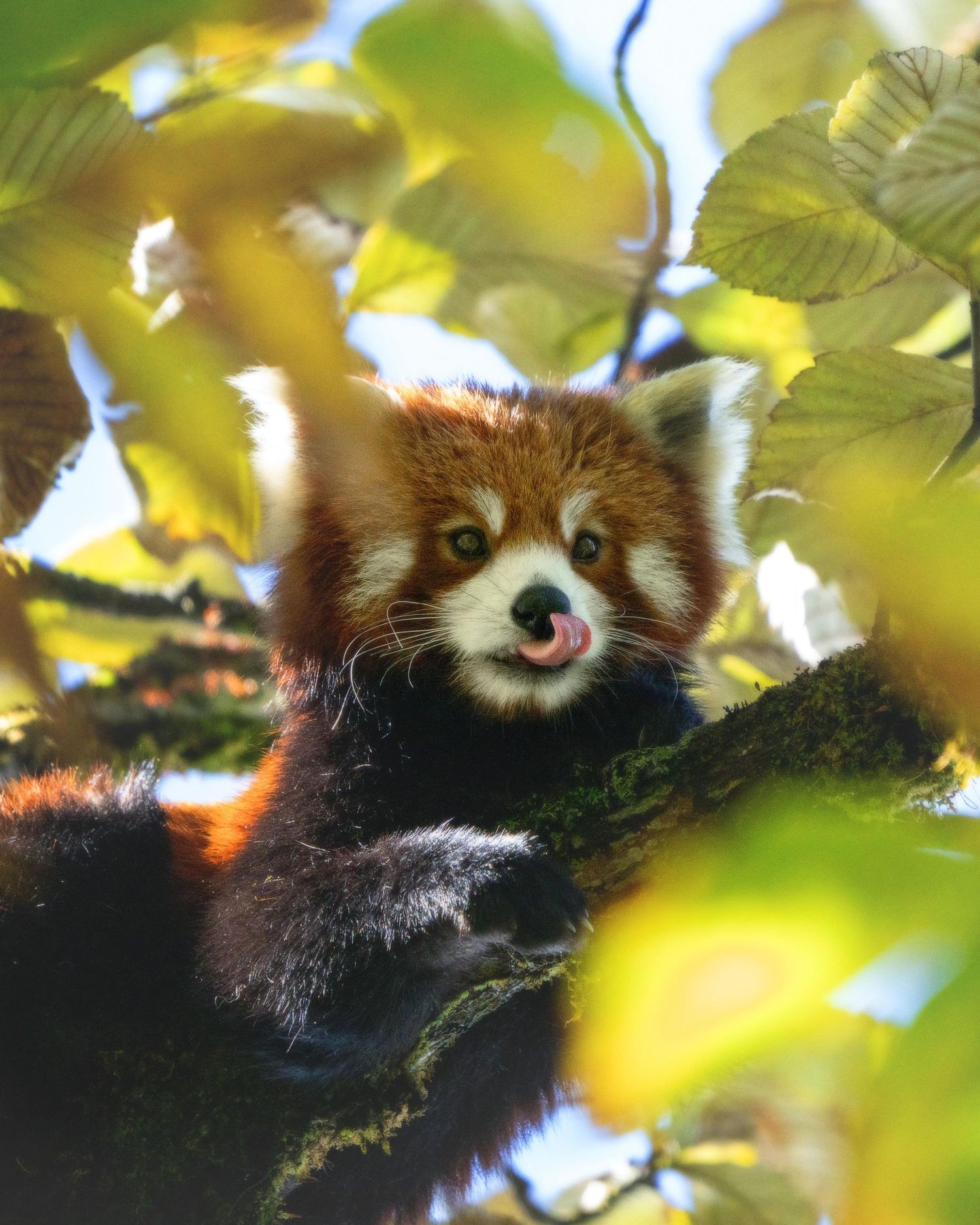
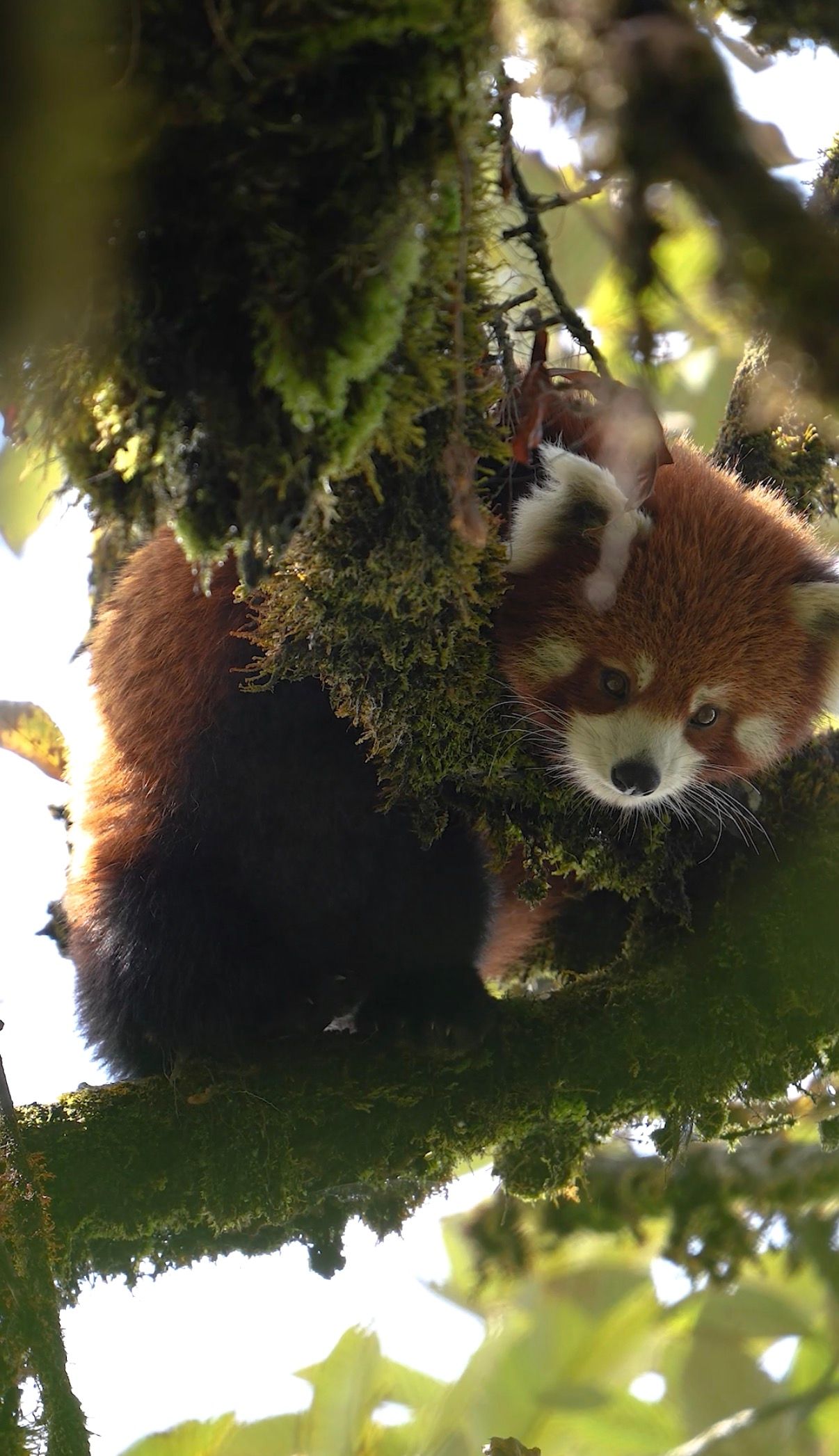
When a red panda is located, the group is carefully guided into the area for a respectful and non-intrusive opportunity to observe or photograph the animal within its natural habitat. Beyond red pandas, the forests of Singalila are also home to unique birdlife, Himalayan landscapes, and an atmosphere unlike anywhere else in the world.
Evenings in the Himalayas offer time to rest, review images, enjoy local hospitality, and settle into the rhythm of mountain life around the campfire. This portion of the expedition gives us far more than just red pandas. It gives us the chance to experience the forests, culture, and atmosphere of one of Asia’s most unique wildlife regions, where every day unfolds with unpredictability and the promise of discovery.
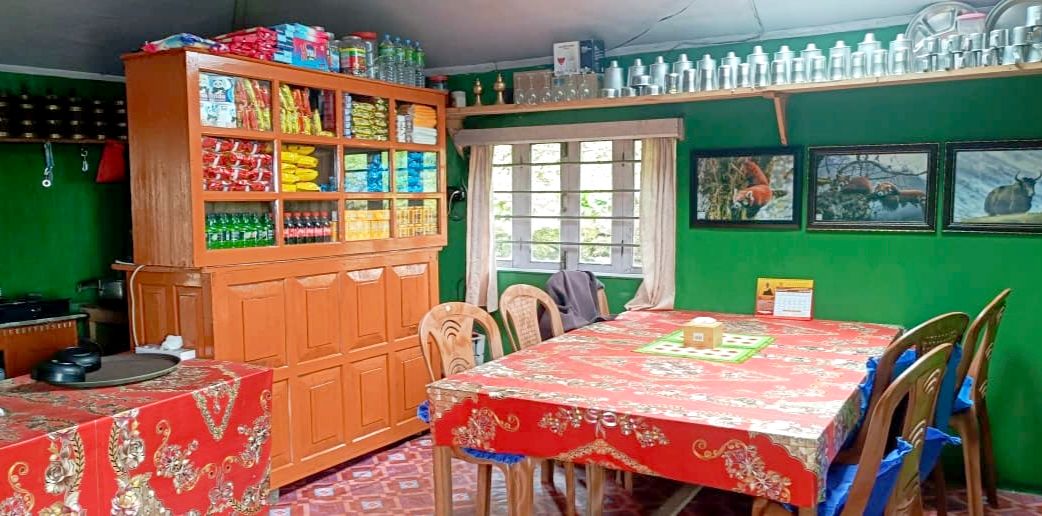
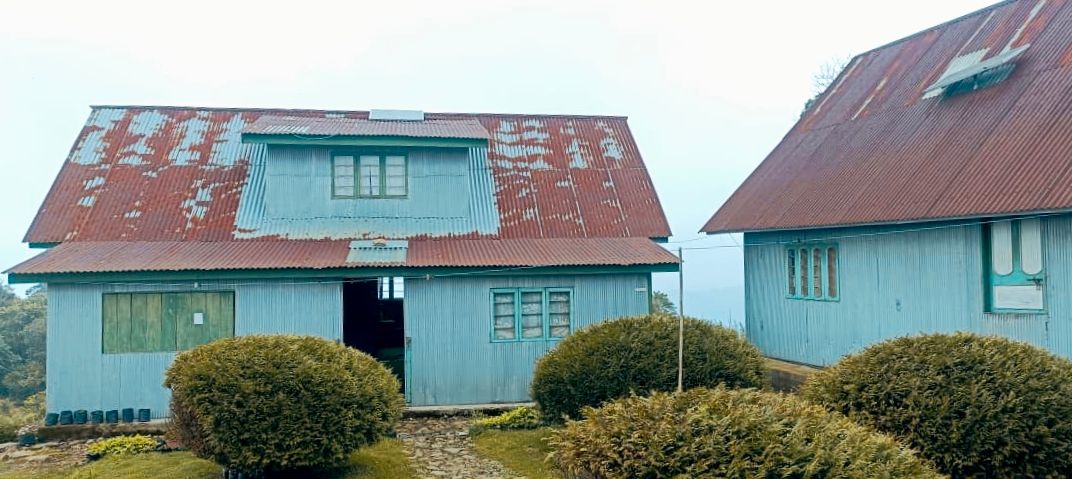
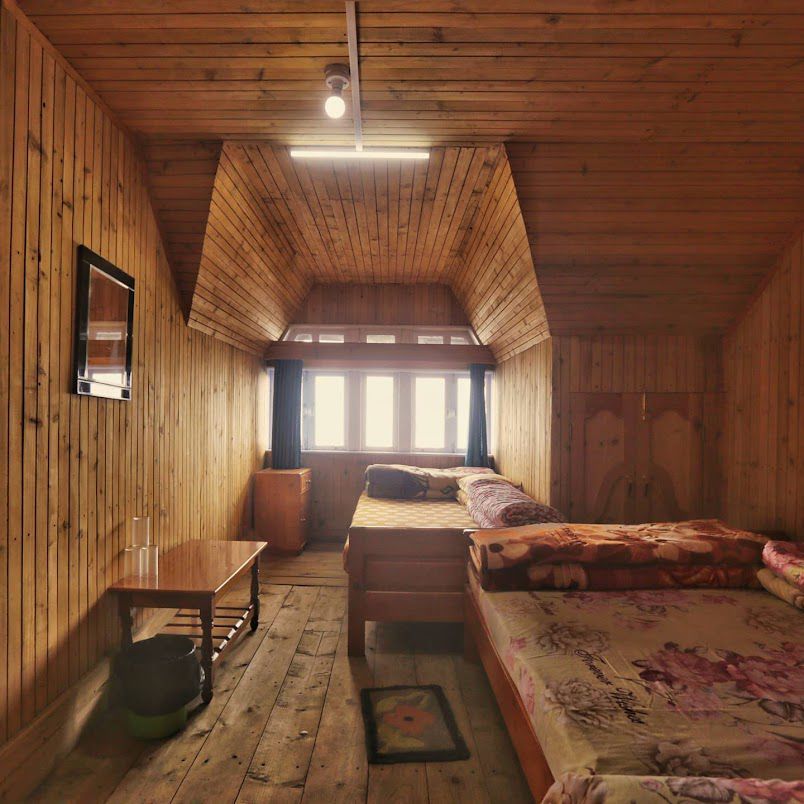
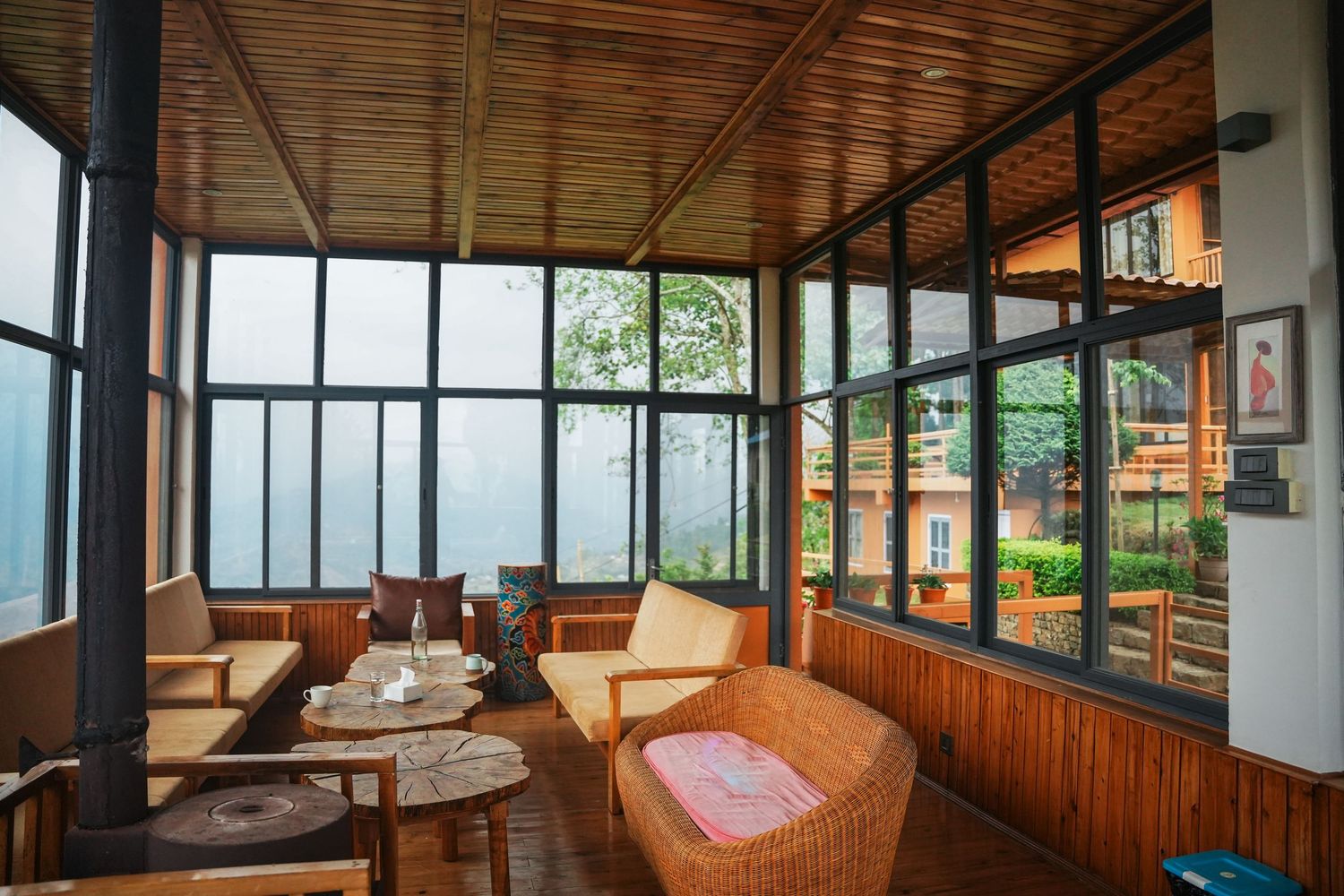
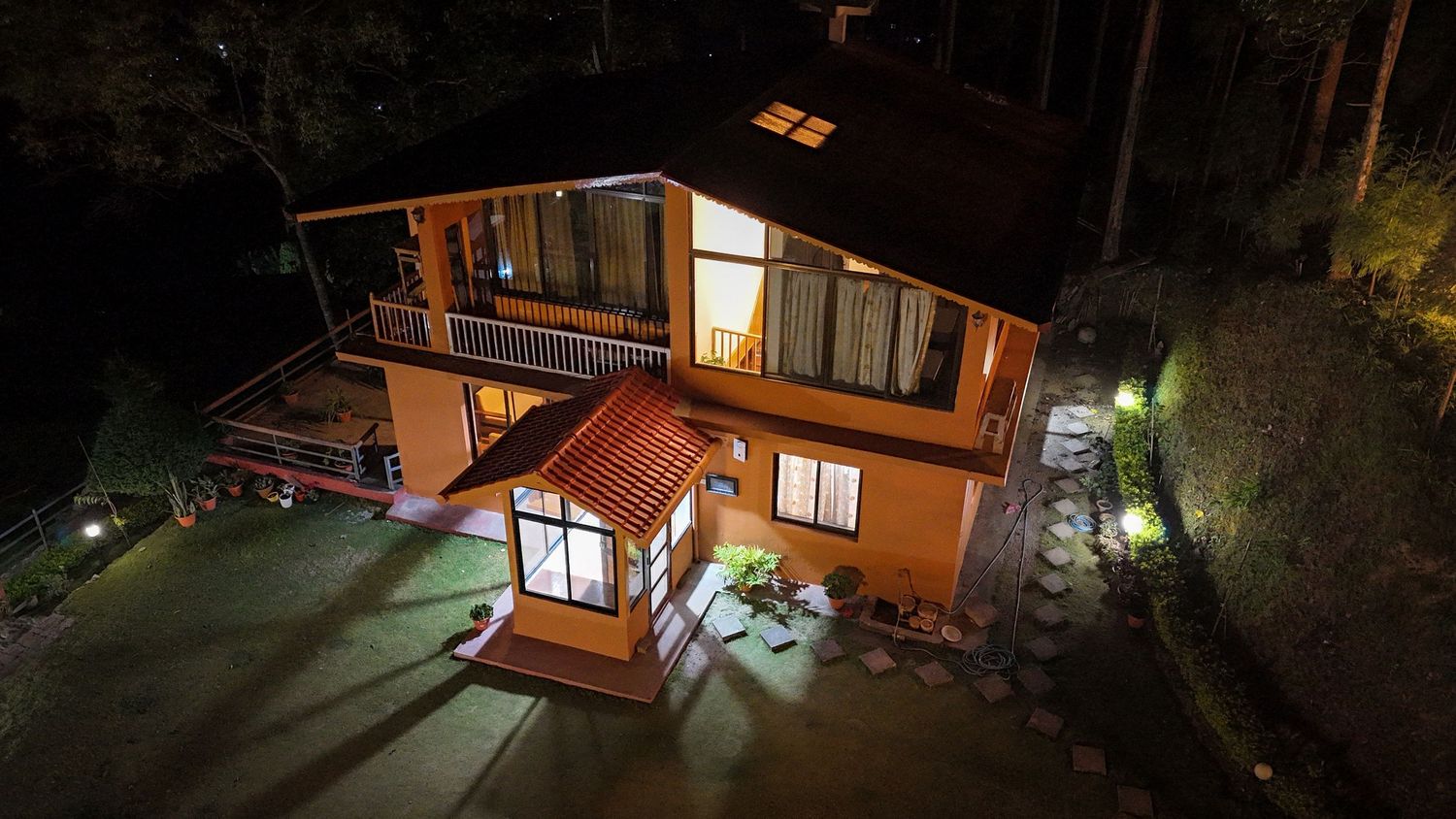
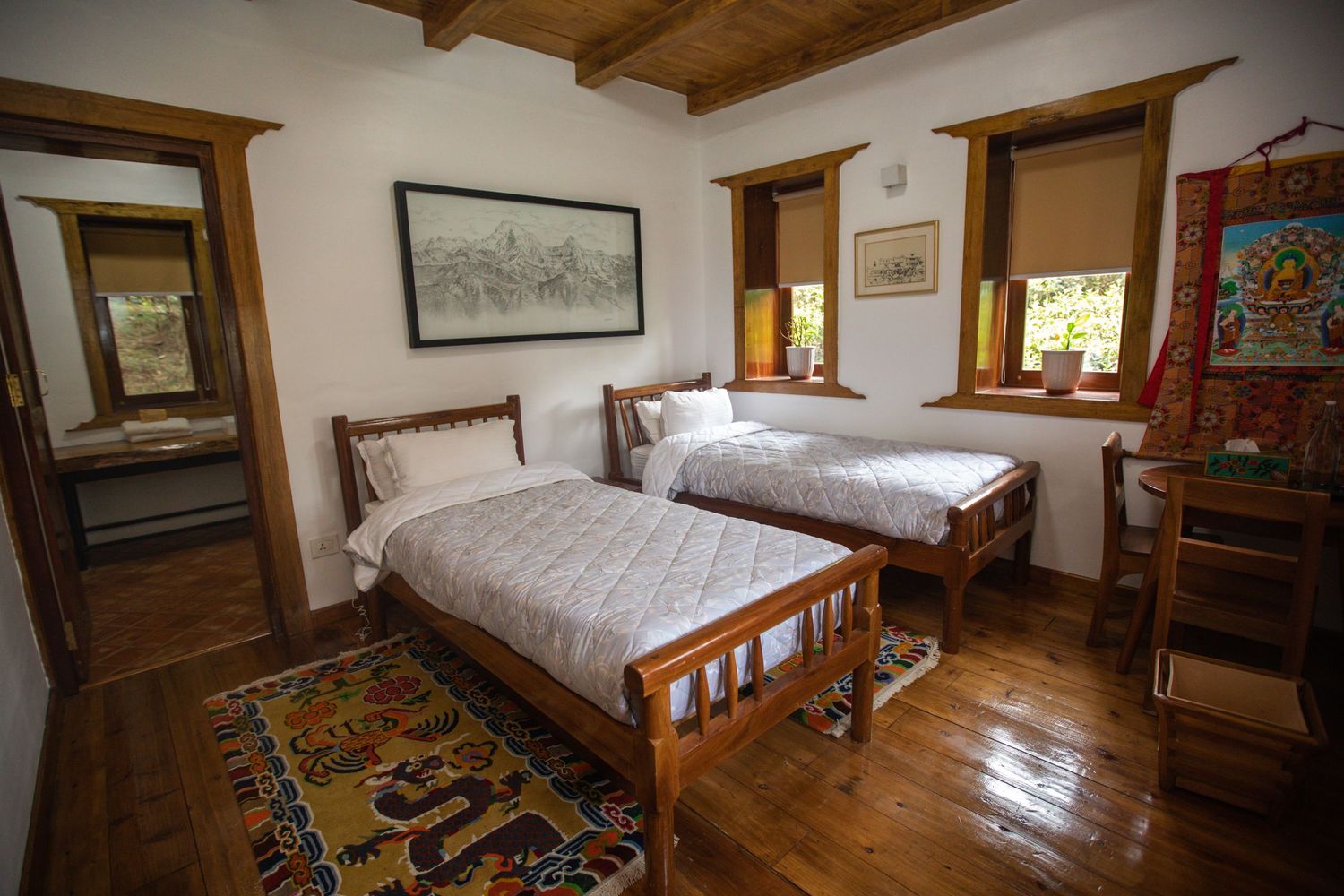
Guests stay in a humble and charming mountain homestay tucked into the forested hills surrounding Singalila, where each guest has their own private room, creating a comfortable and authentic base for this adventure.
Why the Eastern Himalayas?
Located at elevations ranging from approximately 2,800 - 3,600 meters, the forests surrounding Ilam and Singalila lie directly within active red panda habitat, making this region one of the best places on Earth to search for these elusive animals in the wild.
Beyond red pandas, the region supports an incredible diversity of wildlife including Himalayan black bears, clouded leopards, various deer species, and more than 120 bird species such as Satyr Tragopans and Blood Pheasants. The forests are also protected and managed through community-driven conservation initiatives that support both wildlife protection and sustainable ecotourism throughout the region.
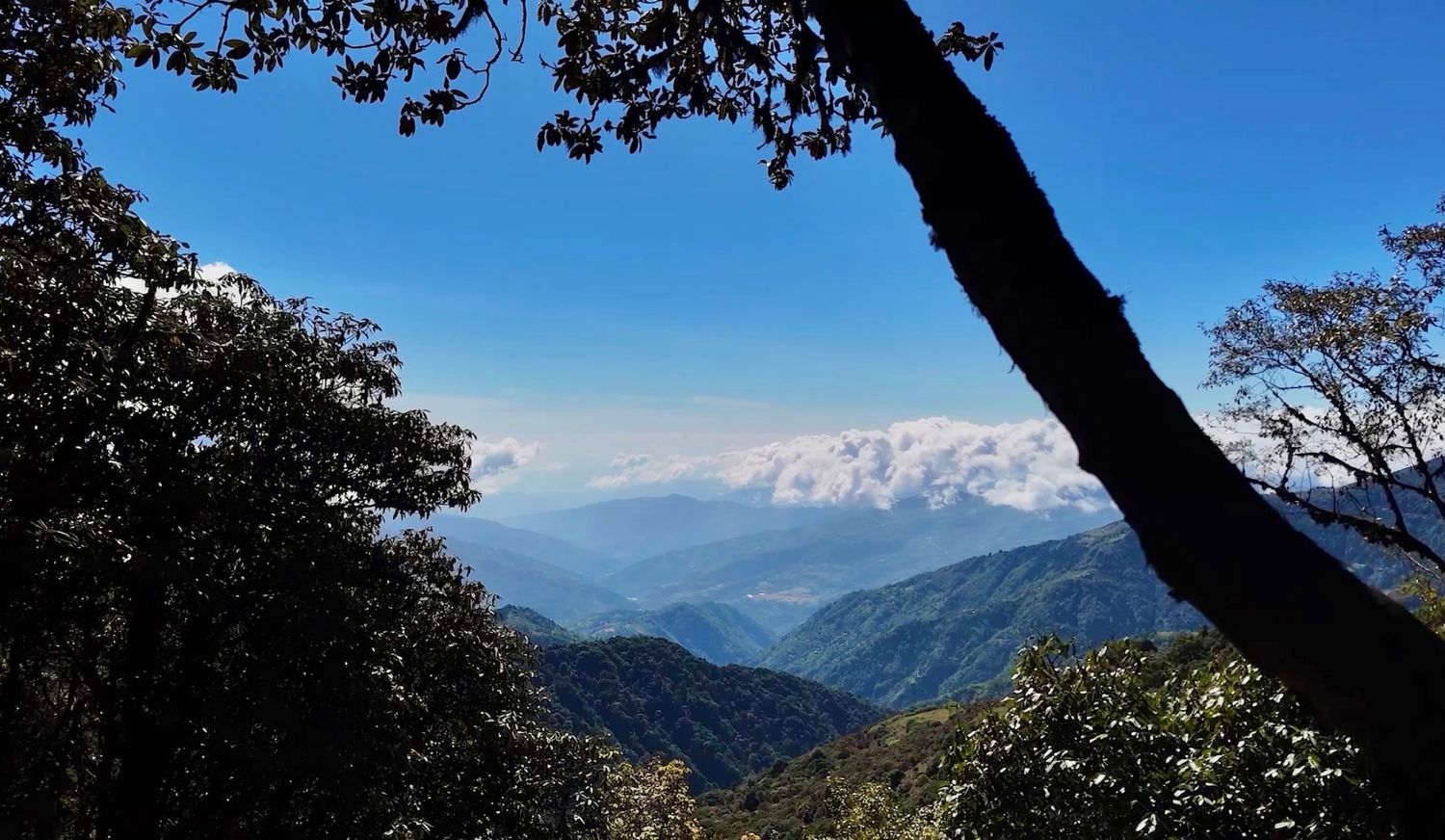
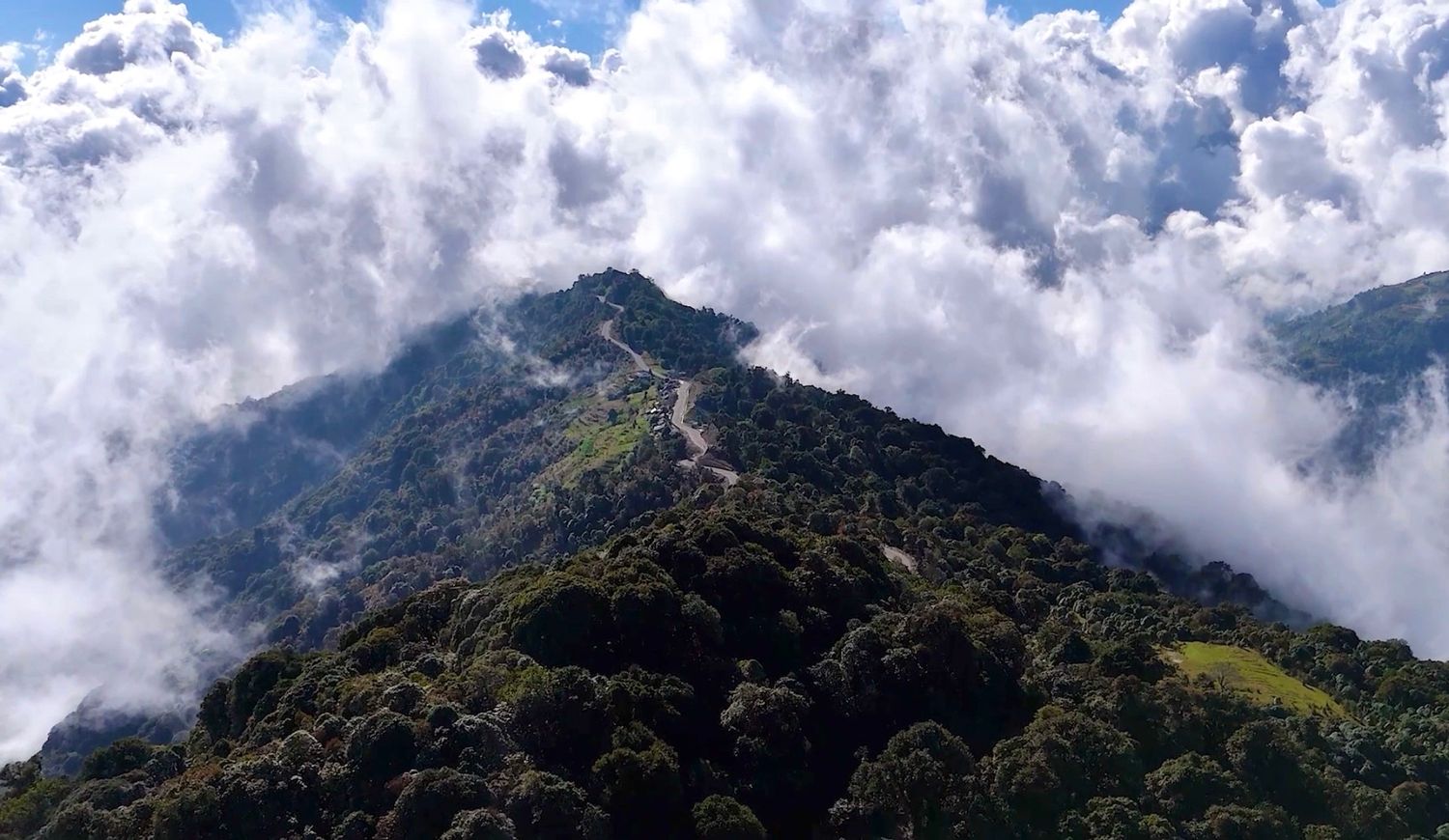
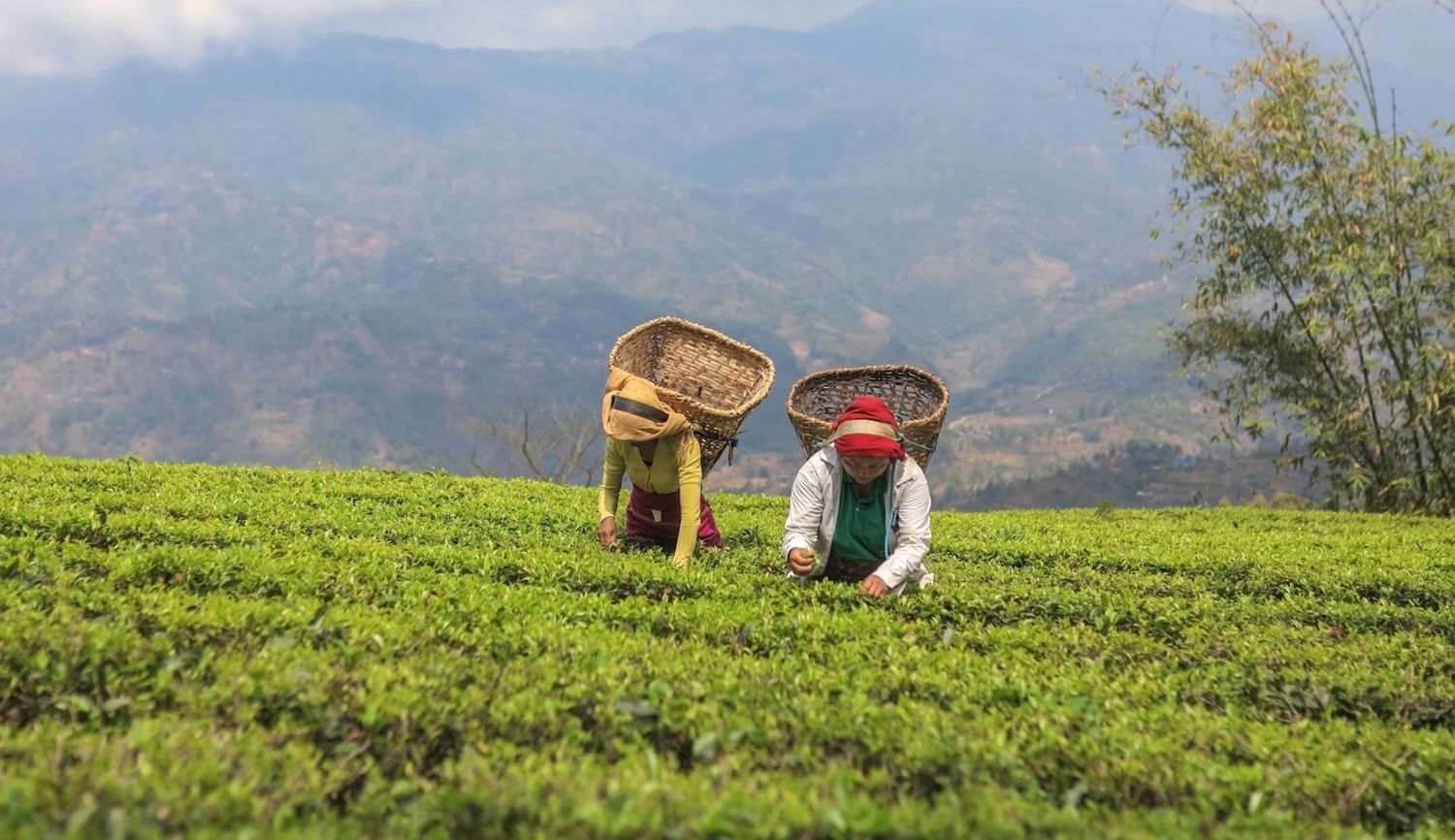
The eastern Himalayas offer a side of wildlife travel that feels both adventurous and captivating, with misty forests trails, remote mountain ridgelines, tea estates, and some of the most breathtaking landscapes in Asia.
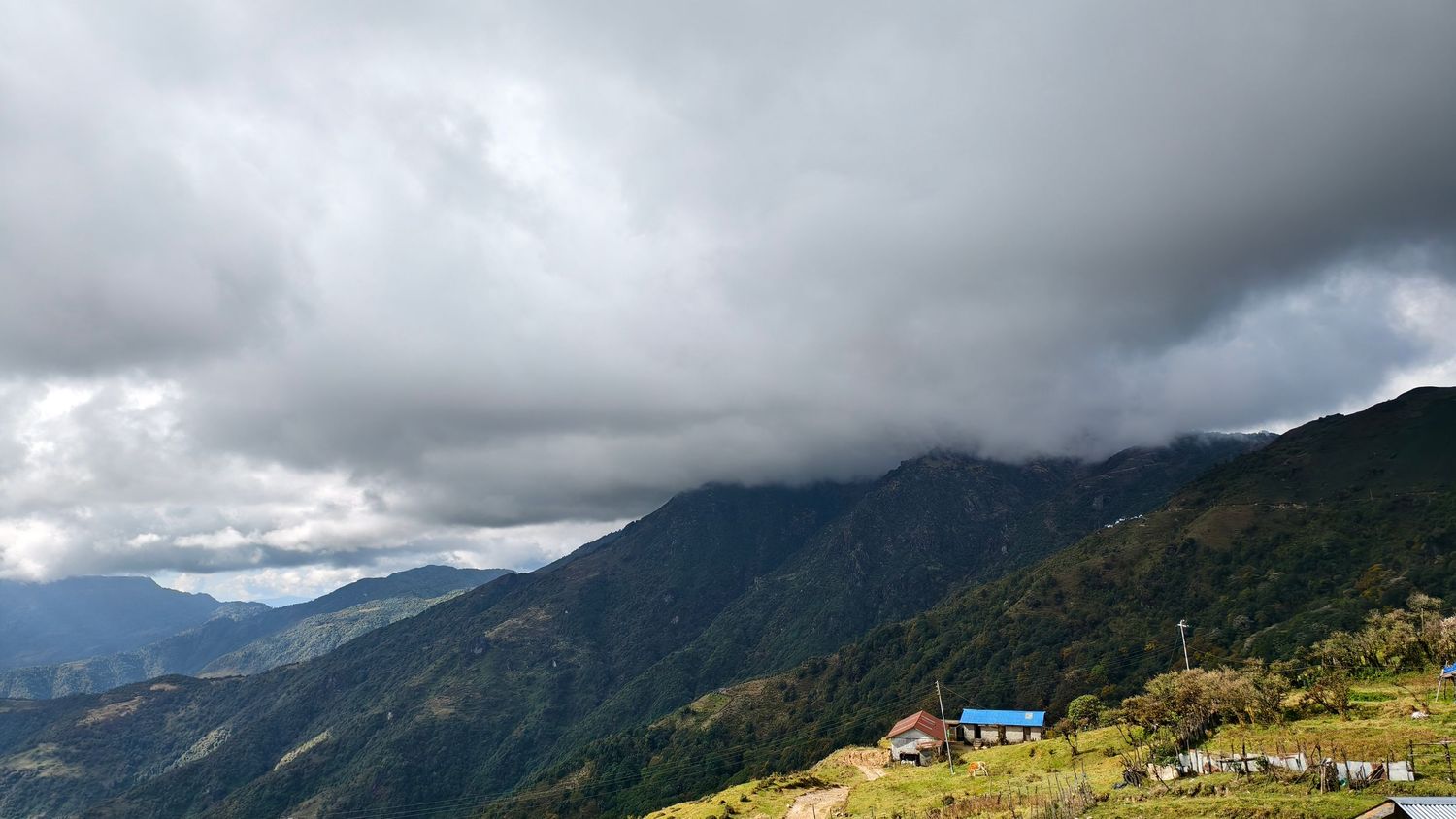
Sandakphu
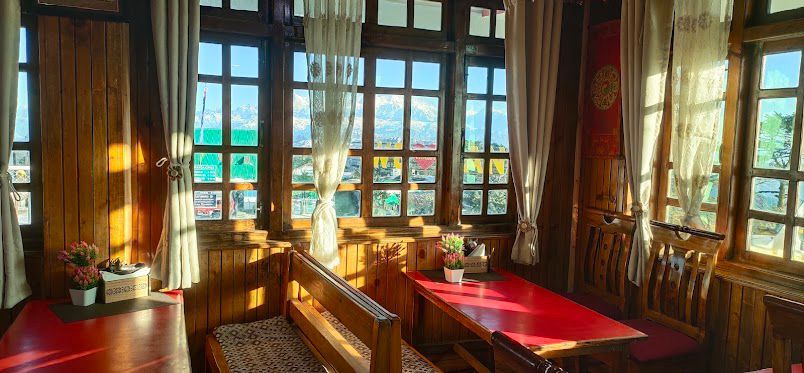
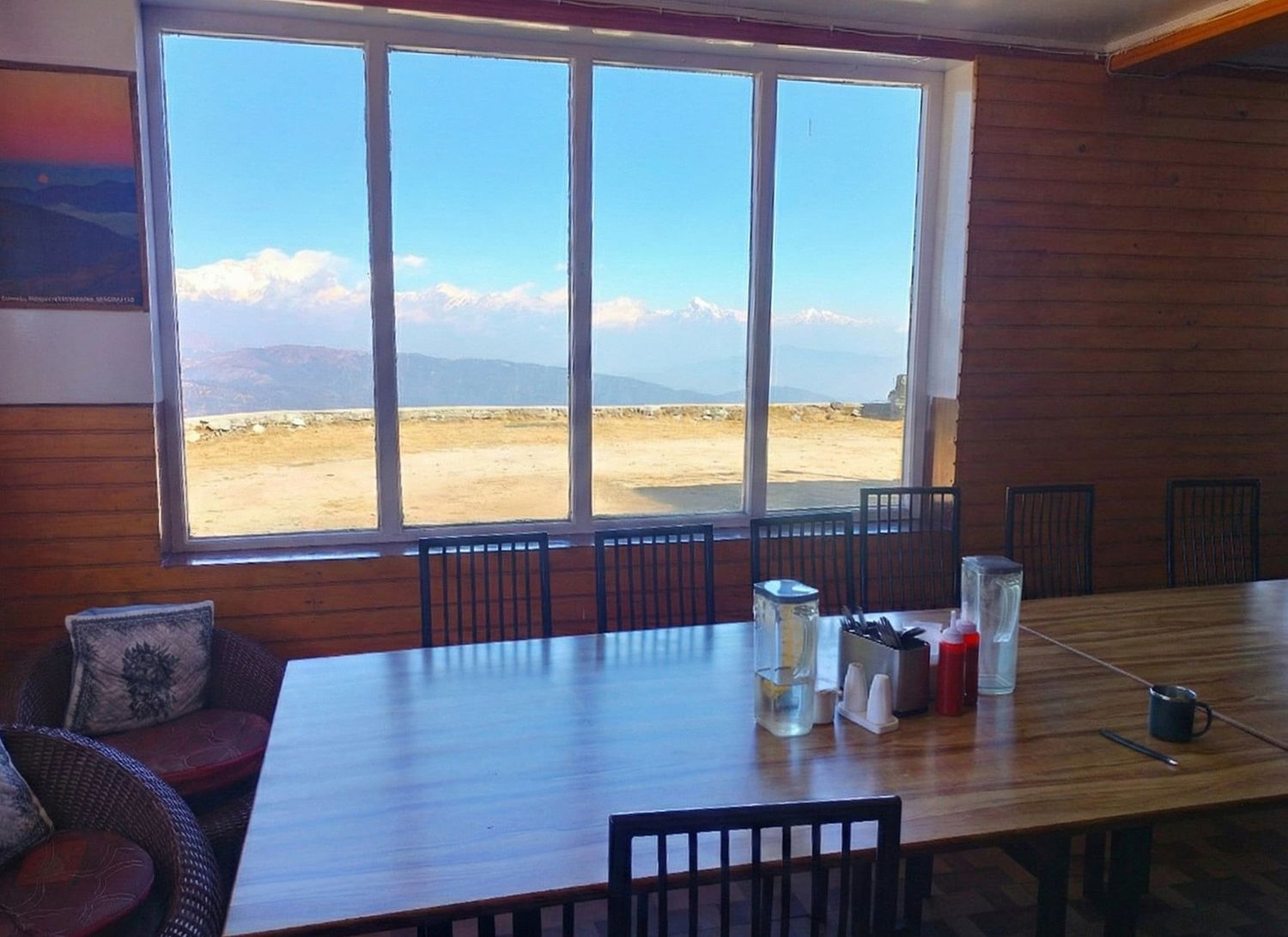
Rising high above the forests of the eastern Himalayas, Sandakphu offers some of the most breathtaking mountain scenery in Asia. On clear mornings, panoramic views can stretch across four of the five tallest mountains in the world: Everest, Kanchenjunga, Lhotse, and Makalu as the first light reaches the snow-covered peaks.
The journey through Sandakphu adds another dimension to the expedition, offering remote Himalayan landscapes that feel worlds away from everyday life.
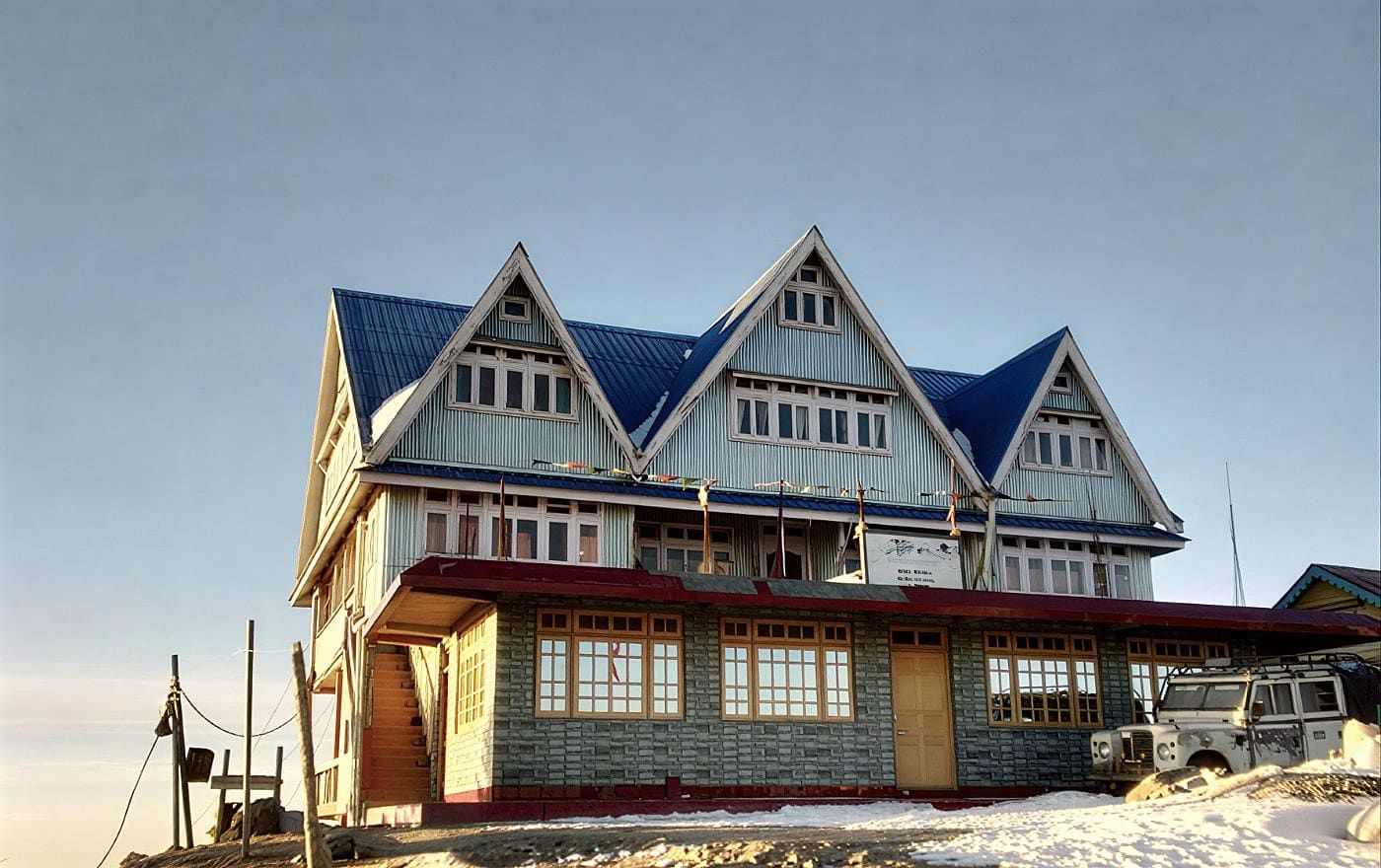
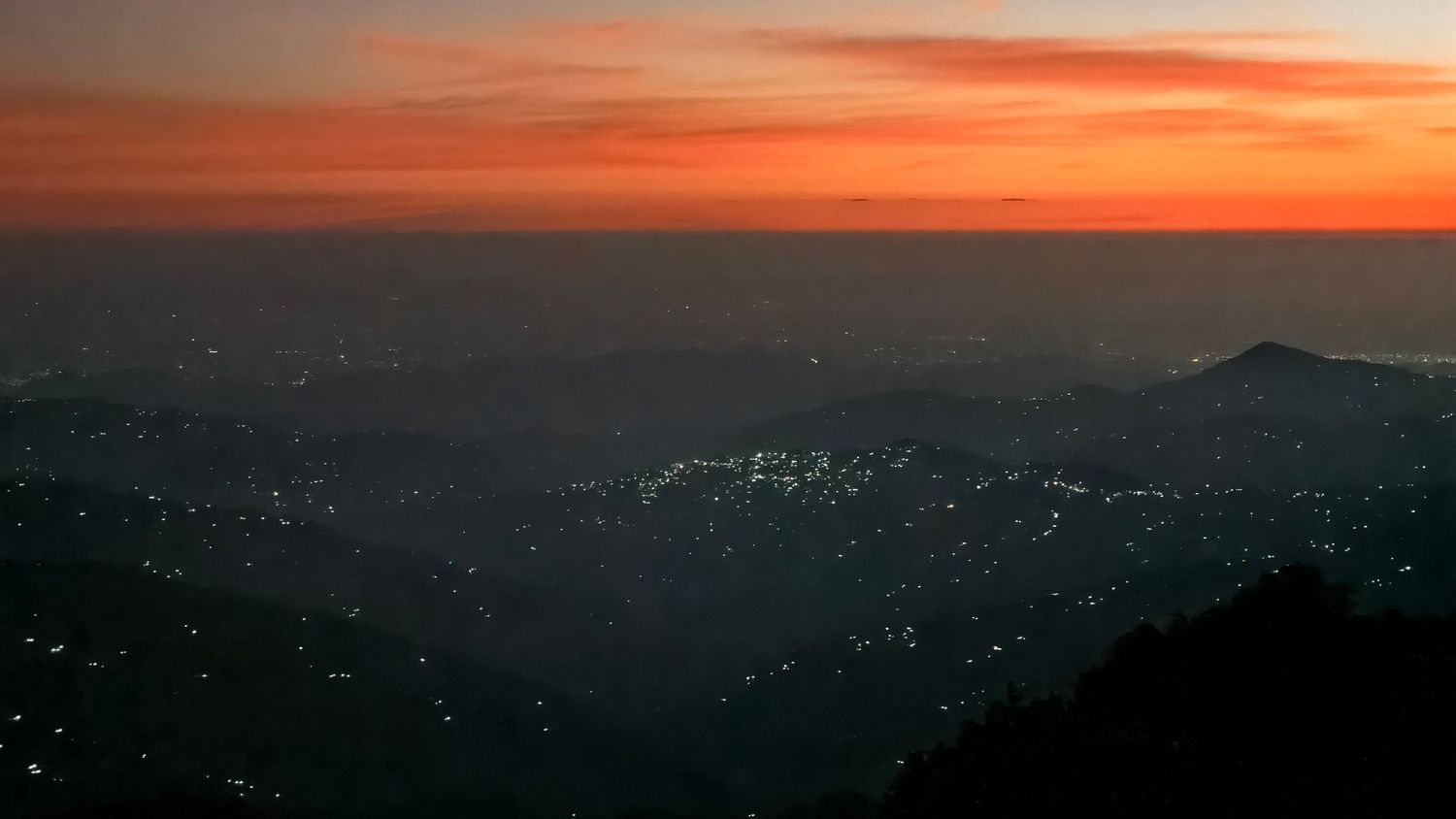
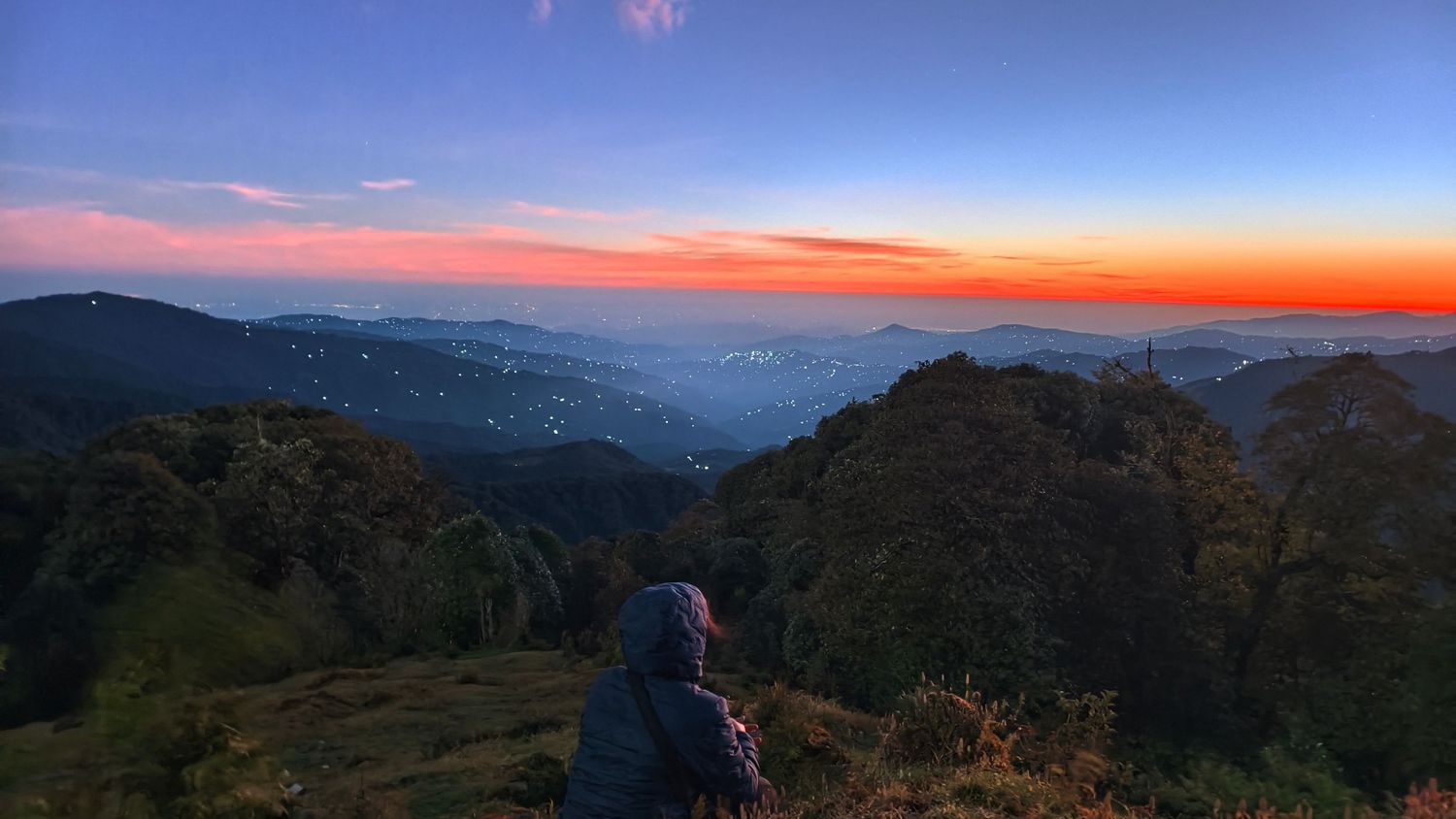
Fikkal
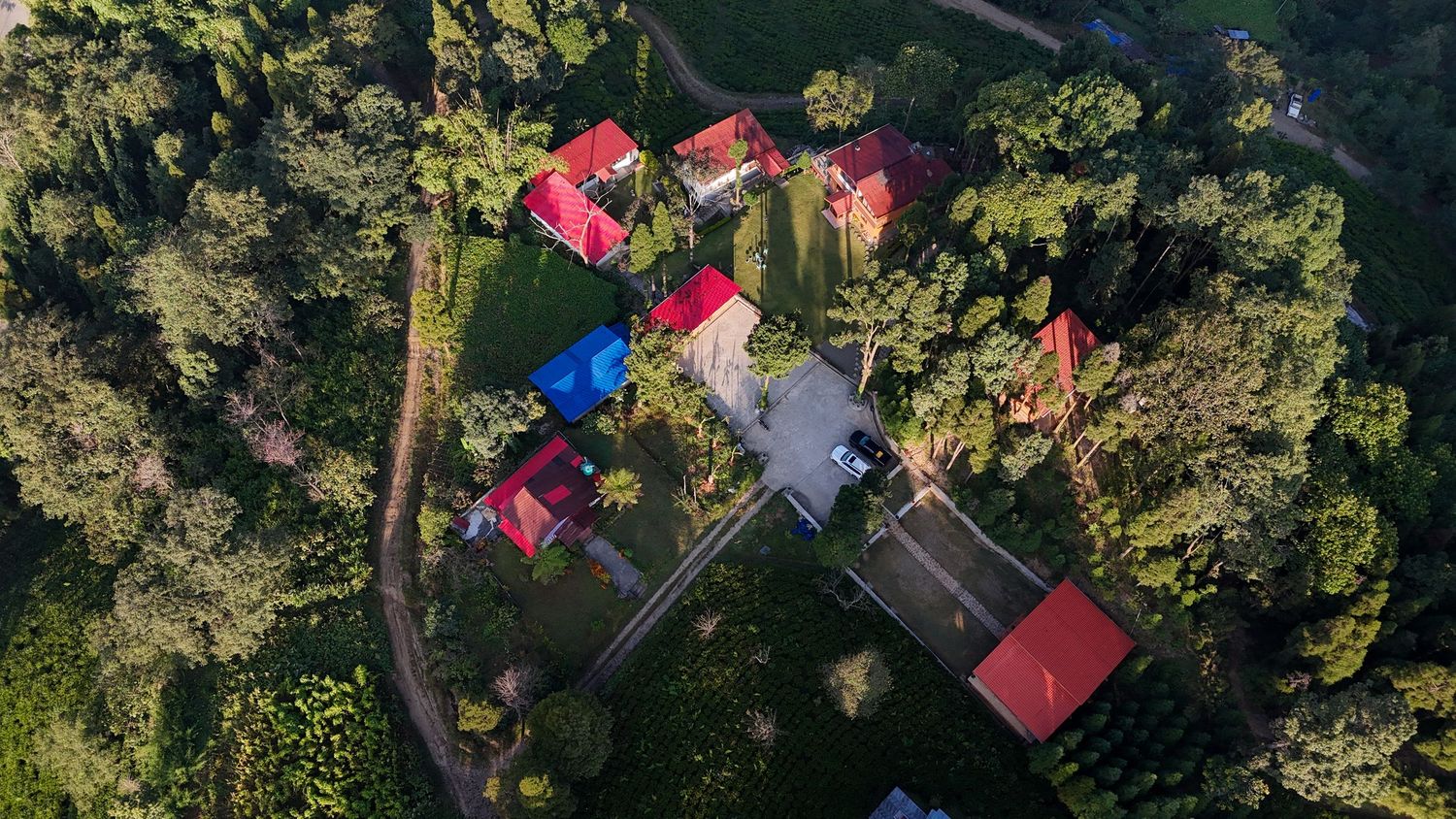
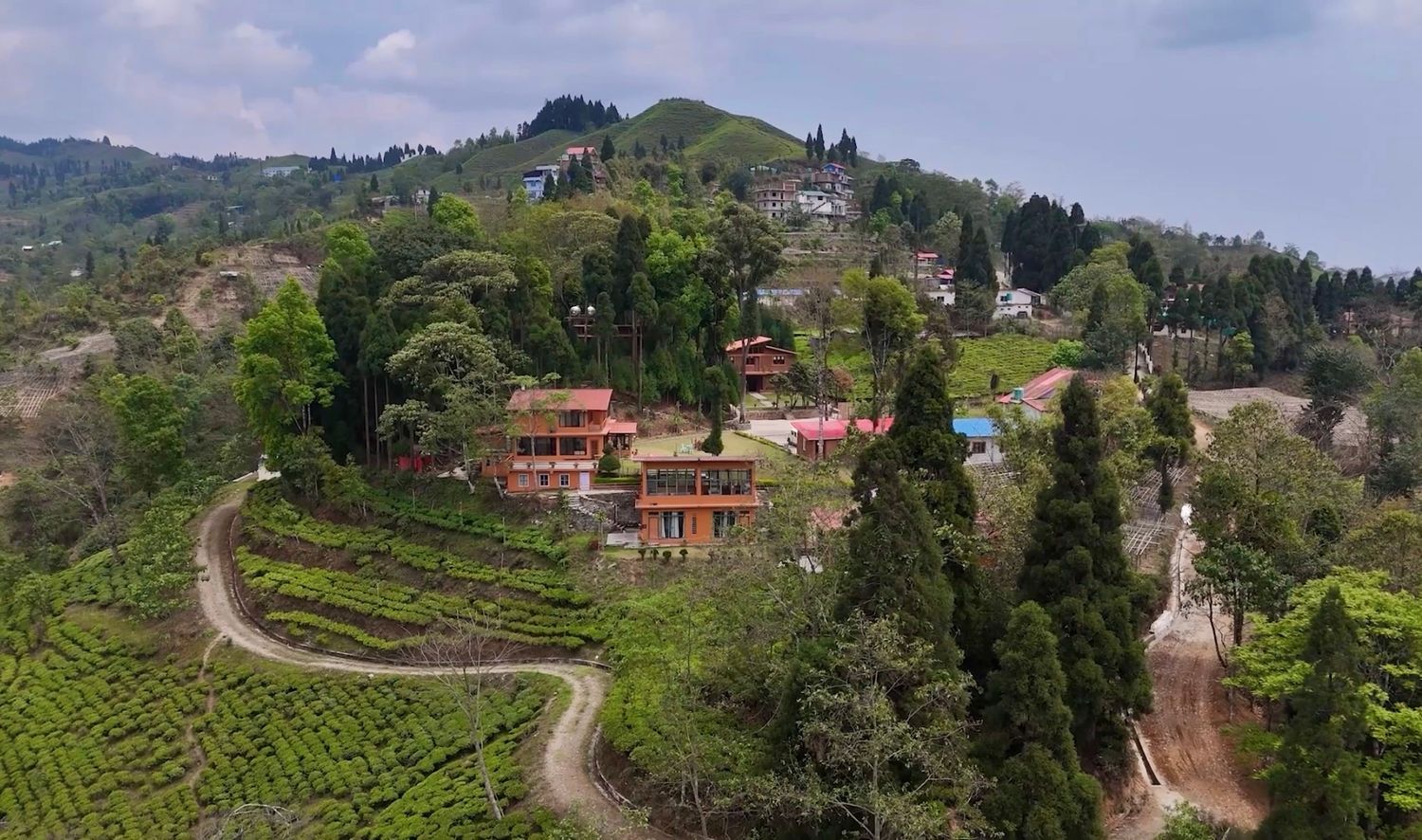
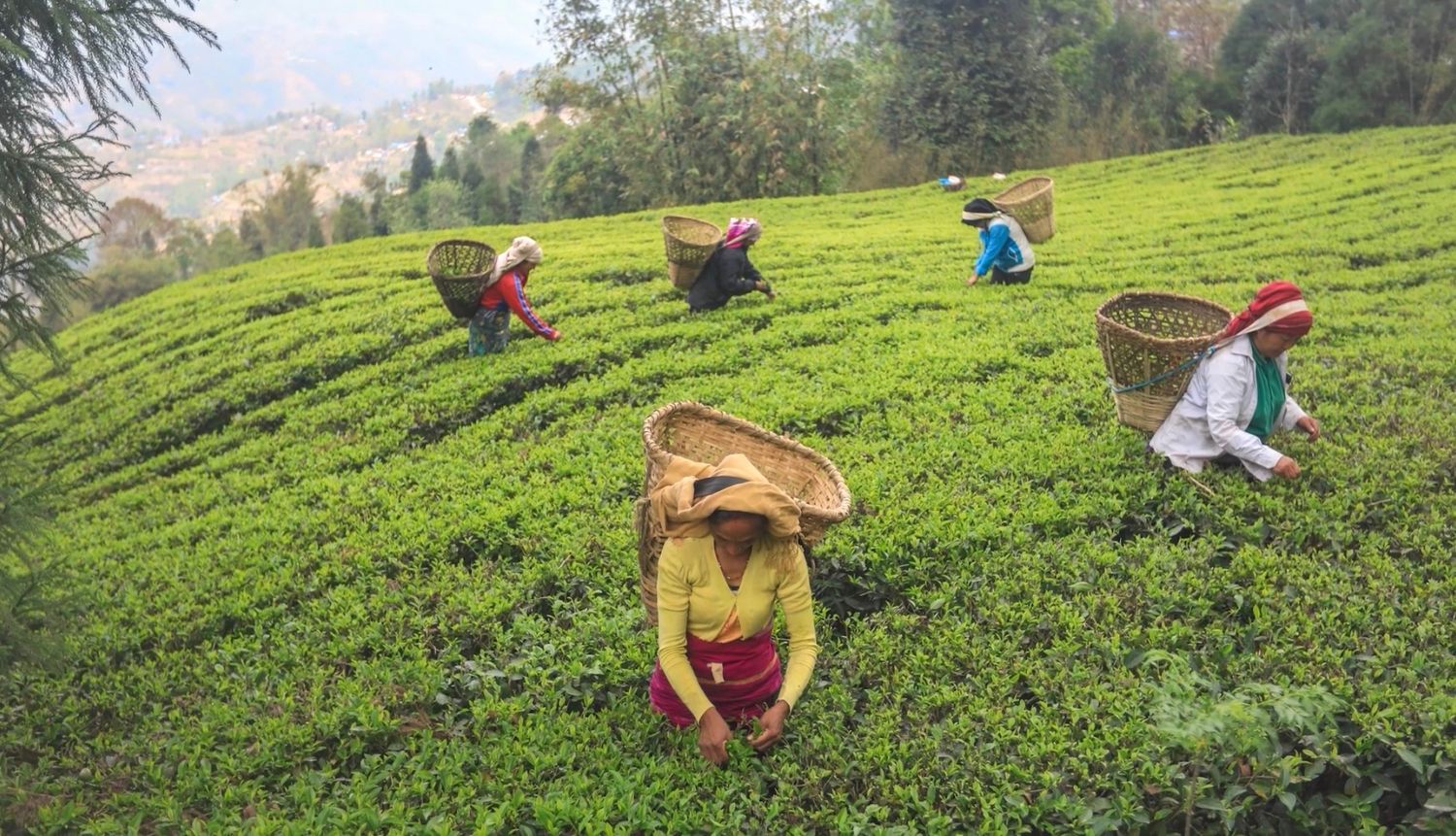
The expedition concludes in the peaceful tea-growing region of Fikkal, where guests can relax, enjoy local tea tasting, and reflect on the incredible wildlife and landscapes experienced throughout the journey. Surrounded by rolling hills and quiet mountain scenery, Fikkal offers a calm and rewarding ending to the expedition.
Itinerary
Day 1 : Arrival in Delhi
Arrive in Delhi, where you’ll be met and transferred to your hotel. This first evening is designed as a soft landing after international travel, giving guests time to rest, settle in, and prepare for the expedition ahead.
Day 2 : Journey to India’s Terai Arc
After breakfast, we depart Delhi and travel toward the Terai region, a wild landscape of grasslands, wetlands, and forests along the Himalayan foothills. Upon arrival, we check into our accommodation and settle in for the safari portion of the journey.
Days 3-7 : Safaris Across Dudhwa, Kishanpur & Pilibhit
Over the next five safari days, we explore the greater Terai landscape through Dudhwa, Kishanpur, and Pilibhit. Rather than being locked into one reserve each day, this portion allows for flexibility based on recent sightings, wildlife activity, and local tracker information.
Between drives, guests can relax at the lodge, review images, observe and photograph birds up-close at a dedicated bird hide, enjoy meals, and prepare for the next day’s safari plan. This portion of the expedition is designed to feel immersive, flexible, and varied rather than repetitive.
Day 8 : Return to Delhi
After our final morning in the Terai, we return to Delhi for an overnight stay. This transition day gives guests time to rest, recharge, and prepare for the shift from India’s safari landscapes to the forests of the eastern Himalayas.
Day 9 : Fly to Bagdogra & Continue to Ilam
We fly to Bagdogra and continue by road toward Ilam, crossing into the eastern Himalayan region known for its tea estates, mountain villages, and forested slopes. The scenery begins to change dramatically as the expedition leaves the plains behind and moves toward cooler mountain air.
Days 10-11 : Red Panda Tracking in the Himalayan Forests
Our red panda search begins in the forests surrounding Ilam. Each day, we will search the forest for red pandas, with the help of five trackers and our naturalist guide. Unlike the safari portion of the trip, this experience is slower and more intimate, involving time on foot in bamboo forest, mountain trails, and quiet habitat.
The focus here is patience, respect, and immersion. We’ll move with the rhythm of the forest, pausing for birds, and signs of wildlife while remaining ready for the moment a tracker reports a red panda nearby.
Day 12 : Final Red Panda Search & Move Toward Sandakphu
We spend another day searching for red pandas before continuing toward the Sandakphu region for an overnight stay. This portion of the journey brings higher elevation, cooler temperatures, and sweeping Himalayan landscapes, adding a dramatic scenic element to the wildlife experience.
Day 13 : Sunrise at Sandakphu & Tea Estate Stay
The day begins with sunrise views from Sandakphu, where clear conditions can reveal extraordinary Himalayan panoramas. After taking in the mountain scenery, we continue toward Fikkal and settle into a tea estate stay. The afternoon includes a tea tasting experience and time to explore the rolling tea farms and local life.
Day 14 : Return to Delhi
After breakfast, we drive back to Bagdogra for the return flight to Delhi. Upon arrival, guests check in for a final overnight stay before international departures the following day. We enjoy a final meal together, celebrate the end of an epic journey, and reflect on the experience.
Day 15 : Departure
Check out and begin your journey home.
Inclusions
All accommodation (based on double occupancy)
Single occupancy in Red Panda homestay
All meals for 14 nights
Airport pick up/drop off
All transportation throughout tour
10 Tiger Safaris
3 full-day Red Panda treks
Photography guidance and support throughout the trip
All applicable taxes and park fees
Exclusions
International airfare
Domestic flights within India (these will be arranged and booked on your behalf, but are paid separately by each guest)
Visa fees
Travel insurance
Lunches and dinners on Delhi days (Days 1, 8, and 14)
Personal Expenses (laundry, spa treatments, souvenirs, beverages, etc.)
Camera fees (USD $6.50 per camera, per game drive)
Tips and gratuities
Optional activities not listed in the itinerary
Pricing & Payment
5 Spots Available
$7,495 per person
(Based on double occupancy)
Pricing increases to $7,995 beginning January 2027
40% deposit due at booking
Remaining 60% due 60 days prior to departure
Single supplement: additional $1,500
You may reserve your spot using the booking link above or by contacting the Tour Host for bank transfer instructions. By booking, you agree to the Terms and Conditions.
FAQ
what focal length and gear should I bring?
A versatile telephoto lens is highly recommended for this expedition. For the tiger safari portion, focal lengths in the 100-500mm range work very well for wildlife encounters. A 70-200mm is also recommended for close tiger encounters, while a wider lens can be useful for environmental scenes and landscapes.
Cell phones are not permitted inside the tiger reserves, so a dedicated camera is recommended for anyone wishing to photograph wildlife during the safari portion of the trip.
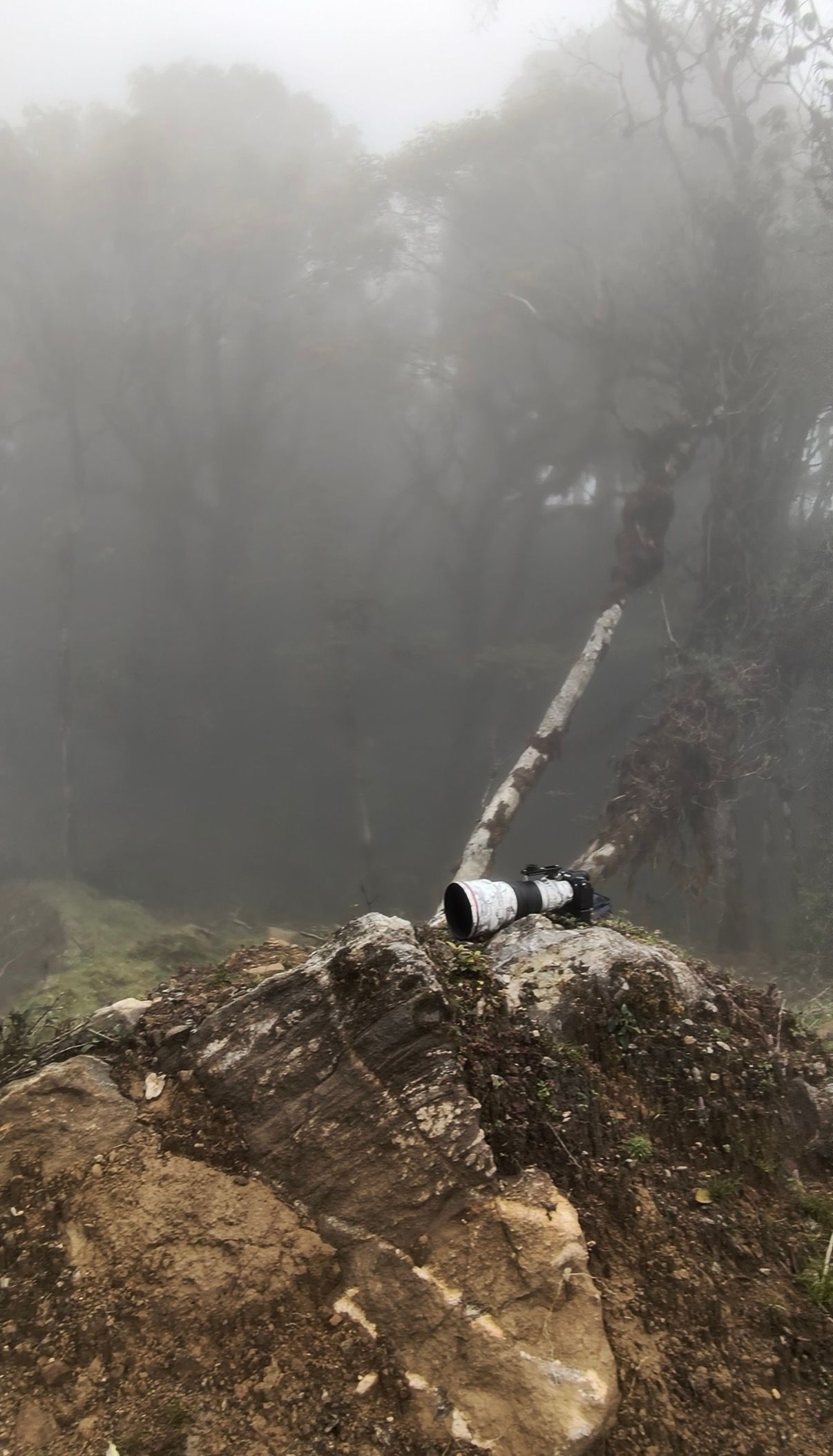
During the red panda portion of the trip, focal lengths around 100-500mm or a 400mm prime lens would be ideal. A wider lens is also recommended for photographing Himalayan landscapes, tea estates, village scenes, and accommodations.
I would not recommend a tripod unless you plan on filmmaking. However, a monopod could be helpful during the red panda experience for extra stability in potentially low light situations, while also doubling as a walking stick. If you do not bring a monopod, shooting handheld is perfectly acceptable and is often the method of choice for photographers.
We can also go over your gear together before the trip to help you feel confident in what you bring, and I can offer recommendations based on your goals.
What will the weather be like?
November generally offers cool, pleasant weather, clear skies, and excellent wildlife conditions across both India and Nepal.
The tiger reserves are typically comfortable in the afternoons (70-80°F / 21-27°C) with cooler and misty mornings and evenings (45-60°F / 7-16°C).
The Himalayan portion of the expedition is significantly colder, especially in the early mornings and at higher elevations around Singalila and Sandakphu. Daytime temperatures are often around 40-60°F / 4-16°C, while mornings and nights can regularly drop into the upper 20s to upper 30s°F (-2 to 4°C).
Layering is strongly recommended, including a warm jacket, fleece, gloves, and comfortable waterproof footwear for mountain trails.
What are the chances of seeing target species?
Tiger sightings in Dudhwa, Kishanpur, and Pilibhit are never guaranteed, but the expedition is timed during an excellent season for wildlife activity and focuses on reserves known for healthy tiger populations and quieter safari conditions.
Red panda sightings are also never guaranteed, but the forests surrounding Ilam and Singalila are considered one of the best regions in the world to search for wild red pandas. Five experienced local trackers search the forest each morning before dawn, greatly improving our chances of locating active individuals during the expedition.
What other wildlife can we expect to see?
Beyond tigers and red pandas, this expedition offers exceptional biodiversity across two very different ecosystems. In India’s Terai Arc, possible sightings include Asian elephants, one-horned rhinoceros, swamp deer, leopards, crocodiles, and abundant birdlife. The Himalayan forests of Nepal are home to rich bird diversity including laughingthrushes, yuhinas, minivets, pheasants, and many other mountain species. The landscapes themselves are also a major highlight of the journey.
what level of fitness is required?
This trip is best suited for guests with a moderate level of fitness. The tiger safari portion involves mostly vehicle-based exploration with minimal walking.
The red panda portion is more active and includes walking on uneven forest trails, higher altitudes, moderate elevation, and cool mountain conditions. The pace is generally slow and focused on observation rather than strenuous hiking, but guests should feel comfortable walking several hours and carrying gear at a relaxed pace in mountain terrain.
Porters can be arranged upon request for the red panda portion of the trip, allowing guests to enjoy the experience without carrying camera gear and day packs.
will there be wifi or cell service?
WiFi and cell service are generally available in Delhi and at the accomodation during the tiger portion of the trip. Please note that cell phones are not permitted within the tiger reserves themselves.
Connectivity becomes more limited during the Himalayan portion of the expedition. Guests should expect periods of reduced service while in the mountains and remote areas. Our red panda naturalist will have cell service and can provide a hotspot for brief periods if necessary.
Many guests may find that the limited connectivity is a welcome opportunity to disconnect, remain fully present, and immerse themselves in the experience while connecting with fellow travelers.
Do I need to be a photographer to enjoy this trip?
Not at all. While this expedition is designed with wildlife photographers in mind, it is equally rewarding for travelers who simply enjoy wildlife, nature, and immersive travel experiences. The journey focuses on atmosphere, exploration, and meaningful time in the field, whether you are carrying a camera or simply taking in the experience.
Please keep in mind that cell phones are not permitted in the tiger parks. Guests without a camera will not be able to photograph the tigers and other wildlife we encounter. This regulation is strictly enforced, and violations can result in fines from park authorities as well as penalties for our drivers and trackers.
can I hire a porter for the red panda portion?
Yes. Porters are available upon request during the Himalayan portion of the expedition for about USD $10 per day. They can assist with carrying camera equipment, backpacks, tripods/monopods, chairs, and other gear, allowing guests to focus on enjoying the experience. If you would like a porter, simply let us know before departure and we will arrange one for you.
Additional porter fees are not included in the tour price.
will laundry services be available during the trip?
Laundry is generally not available throughout most of the expedition, particularly during the Himalayan portion of the trip. Guests should plan to pack accordingly. Depending on availability, there may be an opportunity to arrange laundry at our Dudhwa accommodation before departing for the mountains.
Get in touch
Interested in joining this tour or have questions before booking?
Send a message below and I'll get back to you shortly. I am always happy to talk through logistics, photography goals, or anything else you would like to know before committing.
If this trip feels like the right fit but the dates don't work, feel free to reach out! I also offer custom guided safaris tailored to your schedule and interests.